FET may be more vulnerable to a suboptimal environment

“Can outdoor air pollution affect the FET and fresh ET outcome in IVF cycles?”

Introduction: Ambient air pollution has been associated with human infertility and IVF outcomes. Choe et al1 study indicated lower pregnancy rates in IVF cycles may be linked to ambient air pollution during controlled ovarian stimulation and the post-transfer period. Does outdoor air pollution differentially affect the outcomes of frozen–thawed embryo transfer (FET) and fresh transfer?

Summary: Wang et al2 studied the affect of air pollution on IVF treatment cycles in 11148 patients contributing to 16290 transfer cycles between January 2013 and December 2016. The average age of the cohort was 31.5 years. Inverse distance weighting interpolation was used to estimate the daily ambient exposures to six pollutants (PM2.5, PM10, SO2, NO2, CO, O3) at an IVF clinical site, according to the data from fixed air quality monitoring stations in the city. The exposures of each cycle were presented as average daily concentrations of pollutants from oocyte retrieval to embryo transfer/cryopreservation. Exposures were analyzed in quartiles. A generalized estimating equation was used to evaluate the association between pollutants and IVF outcomes. The clinical pregnancy rate and live birth rate of the cycles was 55.1% and 47.1% respectively. Among the included cycles, 4013 patients received 5299 FET cycles, resulting in 42.7% live birth per ET, whereas 9553 patients received 10991 fresh transfer cycles, resulting in 49.2% live birth per ET. Increased SO2 and O3 levels were significantly associated with lower live birth rates in FET cycles, whereas none of the pollutants were significantly associated with lowering of IVF outcomes in fresh transfer cycles. The FET cycles in the highest quartile of SO2 and O3 exposure had significantly lower live birth rates (adjusted OR) in comparison with those in the lowest quartile. Models involving all transfer cycles and interaction terms (FET exposures) suggested that FET significantly enhanced the effects of SO2 and O3 exposure on IVF outcomes (P < 0.001). Accounting for all six pollutants, women in the highest quartile of SO2 still had the lowest live birth rates (OR 0.61, 95%CI 0.47–0.80).

Conclusion: This study implied that embryos undergoing FET may be more vulnerable to a suboptimal environment than those undergoing fresh transfer. Increased SO2 and O3 levels at the site of IVF unit were significantly associated with lower live birth rates following FET but did not affect the contemporary fresh transfer outcomes. In heavily polluted sites or seasons, fluctuation in FET outcomes may be partially explained by the dynamic changes of ambient gaseous air pollutant.

References:1. Xin li Wang, Jiali Cai, Lanlan Liu, Xiaoming Jiang, Ping Li, Aiguo Sha, Jianzhi Ren; Association between outdoor air pollution during in vitro culture and the outcomes of frozen–thawed embryo transfer, Human Reproduction, Volume 34, Issue 3, 1 March 2019, Pages 441–451, https://doi.org/10.1093/humrep/dey386

2.Choe SA, Jun YB, Lee WS, Yoon TK, Kim SY. Association between ambient air pollution and pregnancy rate in women who underwent IVF. Hum Reprod. 2018 Jun 1;33(6):1071-1078. doi: 10.1093/humrep/dey076. PubMed PMID: 29659826.

Sourcehttps://www.indianfertilitysociety.org/fertility-news-march-2019-volume-8/

Care womens centre is one of the Best IVF centre and test tube baby center in indore, We provide IVF, IUI, ICSI, test tube baby treatment, Laproscopy & Hysteroscopic Surgery and Infertility Treatment for males & females at affordable price. care womens centre Best centre for IVF in indore. For More information visit our website and book an appointment www.carewomenscentre.com and call For More information – 8889016663.

Please go through our social media :
like our page to no more about ivf 
Facebook :  https://www.facebook.com/CareWomensCentre/
Please do follow on Instagram 

Instagram : https://www.instagram.com/carewomenscentre/

More Post: Who should be treated by IVF in unexplained subfertility?

Sperm quality improve by frequent ejaculation rather than abstinence

“Do we need to update IVF protocols to use semen from shorter periods of abstinence?”

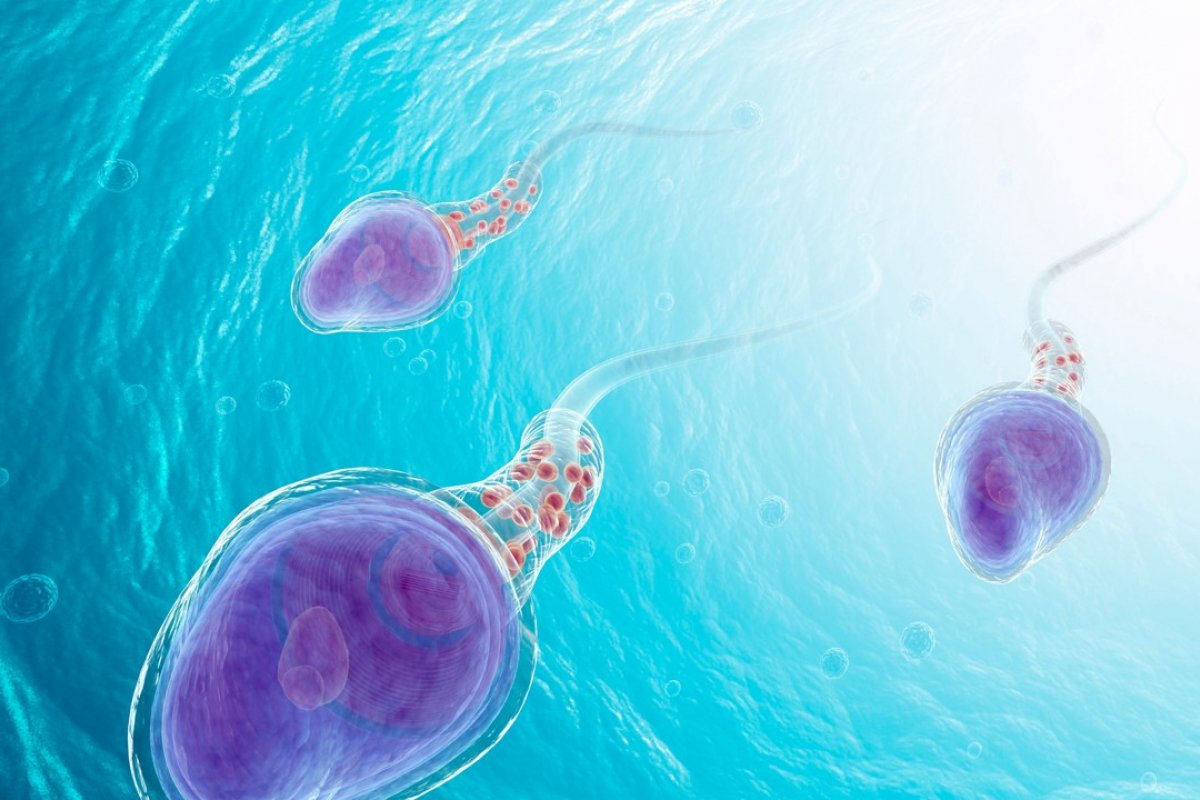
introduction: Men have usually been advised to limit sexual activity to increase the chances of pregnancy. A new study suggests sperm quality and pregnancy outcomes in IVF may be improved with frequent ejaculation,

Summary: Research carried out Da Li et aVaimed to determine the effects of a short period of abstinence on the quality of ejaculated sperm, as well as its effect on the pregnancy outcomes of 500 couples undergoing EVE Major molecular differences were seen between samples of semen depending on the duration of abstinence. Ejaculates from short (1-3 hours) compared with long (3-7 days) periods of abstinence showed increases in motile sperm count, sperm vitality, normal sperm morphology, acrosome reaction  capacity,  total antioxidant  capacity,  sperm  mitochondria’  membrane  potential,  high  DNA stainability and a decrease in the sperm DNA fragmentation index (P<0.05). Sperm proteomic analysis showed 322 differentially expressed proteins (minimal fold change of ±1.5 or greater and P < 0.05), with 224 up-regulated and 98 down-regulated. These differentially expressed proteins are profoundly involved in specific cellular processes,  such as  motility and capacitation, oxidative stress and metabolism. Interestingly, protein trimethyllysine modification was increased and butyryllysine, propionyllysine and malonyllysine modifications were decreased in ejaculates from a short versus long abstinence (P < 0.051 Finally, the rates of implantation, clinical pregnancy and live births from in vitro fertilization treatments were significantly increased (by one-third in this study) in semen samples after a short abstinence. This study provides preliminary mechanistic insights into improved sperm quality and pregnancy outcomes associated with spermatozoa retrieved after a short ejaculatory abstinence.

Conclusion: These results collectively suggest that having more frequent sex produces sperm of a better quality and increases the likelihood of a successful pregnancy. Specifically, semen samples collected after only one to three hours of abstinence contained more motile sperm with a higher reproductive potential than samples collected after men who had abstained for three to seven days.

References: Zi-Qi Shen, Bei Shi, Tian-Ren Wang, Liao Liao, Xuejun Shang, Qi-fun Wu, Yi-Ming Zhou, Tie-Feng Can, Qiang Du, Xiu-Xia Wang and Da Li. Characterization of the Sperm Proteome and Reproductive Outcomes with in Vitro Fertilization after a Reduction in Male Ejaculatory Abstinence Period. Molecular & Cellular Protearnics August 20, 2018,mcp.RA117.000541; https://doi.org/10.1074/mep.RA11 2000541

Source: https://www.indianfertilitysociety.org/fertility-news-october-2018-volume-3/

Care womens centre is one of the Best fertility centre in indore, Provides you International Standard Infertility Treatment along with assisted reproductive technologies like IUI, IVF, ICSI ,etc at affordable IVF  cost in indore Come join Best centre for IVF in indore in our voyage towards better healthcare facilities for infertile couples and experience the Best Infertility Treatment in Indore.  visit our website and book an appointment https://www.carewomenscentre.com  and call us 88890 16663.

Please go through our social media :
like our page to no more about ivf 
Facebook :  https://www.facebook.com/CareWomensCentre/

Please do follow on Instagram  Instagram :

 https://www.instagram.com/carewomenscentre/

More Post: Possible causes for irregular periods

Who should be treated by IVF in unexplained subfertility?

“Should we be trying expectant management or IVF treatment?”


INTRODUCTION: The clinical indications for IVF, initially started from bilateral tubal blockage and now has  extended to unexplained subfertility in which there is no identifiable cause or barrier to conception. There is little  evidence from randomized controlled trials that IVF is effective in these couples.Which couples with unexplained  subfertility can expect increased chances of ongoing pregnancy with IVF compared to expectant management ?

SUMMARY: Eekelen et al1 recently compared outcomes in couples with unexplained subfertility undergoing IVF  (n = 40921) from registry data to couples with the same type of subfertility on expectant management. Those  couples on expectant management (only intercourse) comprised a prospective nation wide Dutch cohort (n =  4875) and a retrospective regional cohort from Aberdeen, Scotland (n =975). They excluded couples who had tried  for less than 1 year to conceive, cases of anovulation, tubal occlusion, mild or severe endometriosis or male  subfertility. Matching of couples who received IVF and couples on expectant management based on their  characteristics to control for confounding were done. They fitted a Cox proportional hazards model including  patient characteristics, IVF treatment and their interactions to estimate the individualized chance of conception  over 1 year, either following IVF or expectant management for all combinations of patient characteristics. The  endpoint was conception leading to ongoing pregnancy, defined as a foetus reaching a gestational age of at least 12  weeks. The adjusted 1year chance of conception was 47.9% (95% CI: 45.0–50.9) after IVF and 26.1% (95% CI:  24.2–28.0) after expectant management. The absolute difference in the average adjusted 1 year chances of  conception was 21.8% (95%CI: 18.3–25.3) in favour of IVF. The effectiveness of IVF was influenced by female age,  duration of subfertility and previous pregnancy. IVF was effective in women under 40 years, but the 1 year chance  of an IVF conception declined sharply in women over 34 years. In contrast, in woman over 40 years of age, IVF was  less effective, with an absolute difference in chance compared to expectant management of 10% or lower.  Regardless of female age, IVF was also less effective in couples with a short period of secondary subfertility (1 year)  who had chances of natural conception of 30% or above.

CONCLUSION : For couples in which the woman is under 40 years of age, IVF is associated with higher chances  of conception than expectant management in unexplained subfertile couples. IVF should be used selectively based  on judgements on gain compared to continuing expectant management for a given couple.

REFERENCES :1. R van Eekelen, N van Geloven, M van Wely, S Bhattacharya, F van der Veen, M J Eijkemans, D J McLernon. IVF for  unexplained subfertility; whom should we treat?, Human Reproduction, dez072, https://doi.org/10.1093/humrep/dez072&nbsp; Published 13 June 2019.

SOURCE : https://www.indianfertilitysociety.org/fertility-news-volume-10-july-2019/

Care womens centre is one of the Best fertility hospital in indore, That provides the Best IVF and test tube baby treatment in Indore. All treatments in our hospital are done at affordable price and cost by IVF experts only. One of the leading test tube baby center in Indore.visit our website and book an appointment https://www.carewomenscentre.com

Please go through our social media :

like our page to no more about ivf 
Facebook :  https://www.facebook.com/CareWomensCentre/
Please do follow on Instagram 
 Instagram : https://www.instagram.com/carewomenscentre/

More Post : Complications of High-Risk Pregnancy and how to avoid that.

IFS Catalyst Cochrane

Question: Are ovarian stimulation protocols combining oral medications like Clomiphene citrate or Letrozole with gonadotropins effective and safe compared to gonadotropins alone in women undergoing In-vitro fertilization (IVF)?


Focus : Regimens using oral ovulogens and gonadotropins versus gonadotropins alone for women undergoing IVF.
Population Of Interest : Unselected IVF population of subfertile women undergoing controlled ovarian stimulation for IVF and ‘poor’ responders.
Intervention Under Investigation : Clomiphene citrate (CC) or Letrozole (Ltz) with gonadotropins for controlled ovarian hyperstimulation (COH).
What Was The Comparison?: Gonadotropins alone for COH
What Were The Main Outcomes?: Live birth rate (LBR), ovarian hyperstimulation syndrome (OHSS) rate and cycle cancellation rate.

Results In Short

  • Twenty-two trials including 3599 women undergoing IVF
  • Live birth rate: No difference in live birth rate following ovarian stimulation with CC or Ltz with gonadotropinsversus gonadotropins alone (Risk Ratio (RR) 0.92, 95% confidence interval (CI) 0.66 to 1.27; 4 RCTs, 493 women, low-quality evidence) in the general IVF population1. No difference in live birth rate following ovarian stimulation with CC or Ltz and gonadotropins versus gonadotropins alone (RR 1.16, 95% CI 0.49 to 2.79, 2 RCTs, 357 women, low-quality evidence) among poor responders.
  • OHSS rate: Significantly lower incidence of OHSS following stimulation protocols using CC or Ltz with gonadotropins versus gonadotropins alone (Peto OR 0.21, 95% CI 0.11 to 0.41, 5 RCTs, 1067 women, low-quality evidence) in the general IVF population.
  • Cycle cancellation rate: Significantly higher cycle cancellation rate with CC or Ltz and gonadotropins versus gonadotropins alone (RR 1.87, 95% CI 1.43 to 2.45, 9 RCTs, 1784 women, low-quality evidence) in the general IVF population.
  • Number of gonadotropin ampoules and number of oocytes retrieved: Decrease in number of gonadotropin ampoules used and mean number of oocytes collected when CC or Ltz with gonadotropins was used comparedwith gonadotropin-only regimens (moderate quality evidence) in the general IVF population and poor responders.

Limitation

  • Only six among 22 included studiesreported live birth rates as primary outcome, necessitating cautious interpretation of overall results.
  • Studies included only fresh stimulated IVF cycles. None of the trials addressed surplus frozen embryos available for subsequent transfer; thereby data for cumulative live birth was not available. Currently, cumulative live birth rate is a more preferred outcome to evaluate effectiveness of IVF treatment.
  • Studies that assessed poor responders used varied criteria for inclusion thereby introducing clinical heterogeneity.
  • Lack of blinding in most included trials, poor reporting of methodology, differences in protocol and cycle cancellation policy impacted the overall quality of evidence.

Evidence Based Practice Points

  • Current weight of evidence suggests comparable live birth rates between CC or Ltz and gonadotropins versus gonadotropins alone,in both the routine IVF population and among poor responders. It is a viable alternative protocol in certain clinical scenarios like poor responders.
  • Addition of CC or Ltz reduces gonadotrophin requirement and incidence of ovarian hyperstimulation syndrome. Reduced gonadotrophin requirement could reduce initial treatment cost.
  • Higher cancellation rates and lower oocyte yield following use of CC or Ltz with gonadotrophin is a drawback. Cancellation of cycles can be psychologically distressing for the couples.
  • There has been a shift of contemporary practice towards maximizing oocyte yield in single retrieval cycle and “freeze all policy” due to higher cumulative live birth rate2. In light of these developments, studies evaluating cumulative live birth following milder stimulation protocols using CC or Ltz with gonadotrophins are needed along with cost effectiveness in order to establish their role in current IVF practice.

Reference1.

Kamath MS, Maheshwari A, Bhattacharya S, Lor KY, Gibreel A. Oral medications including clomiphene citrate or aromatase inhibitors with gonadotropins for controlled ovarian stimulation in women undergoing in vitro fertilisation. Cochrane Database Syst Rev. 2017;11(11):CD008528.
2. Drakopoulos P, Blockeel C, Stoop D, Camus M, De Vos M, Tournaye H, Polyzos NP. Conventional ovarian stimulation and single embryo transfer for IVF/ICSI. How many oocytes do we need to maximize?

Source
https://www.indianfertilitysociety.org/ifs-catalyst-cochrane-vol-6/


If you are searching for the Best fertility hospital in Indore, your search ends here. Care Women’s Centre – IVF, Test Tube baby & Fertility Centre, Indore facilitates you with best centre for IVF in Indore with affordable IVF costs. Dr. Shweta Kaul Jha is among one of the eminentIVF specialist in Indore. Care women’s Centre is your one stop for quality infertility treatment in Indore, ICSI treatment in Indore and an all-rounder fertility centre in Indore. book an appointment https://www.carewomenscentre.com and Call us 88890 16663.


Please go through our social media :

like our page to no more about ivf 
Facebook :  https://www.facebook.com/CareWomensCentre/
Please do follow on Instagram  Instagram

https://www.instagram.com/carewomenscentre/


More Post: The psychological impact of infertility and it’s treatment

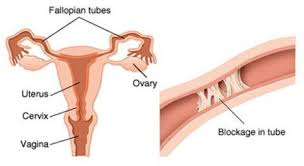
IVF is the Way to Motherhood in Tubal Blockage

One of the major reasons for not being able to conceive women who want to become a mother is the blockage of Fallopian tubes. Most women do not know that they are unable to conceive due to problem in their fallopian tube. If the fallopian tube is obstructed then the egg and sperm will not be able to fuse, which will cause failure of fertilization process. The problem of blockage can occur in any one or both the tubes. About 30-40% of cases of infertility in women are caused Fallopian tube blockage.

Symptoms of blockage in Fallopian tubes

There is no decisive symptom which shows that there is problem of tubal blockage in women, but when women try to get pregnant during this period, experience pain during urination, pain during periods and pain can occur during sexual activity too. If any of those symptoms exists then it is advised to consult a doctor. A type of fallopian tube block called as Hydrosalpinx, which causes inflammation and fluid in the tubes due to which stomach ache, pelvic pain and unusual vaginal discharge can occur.


Causes of blockage in tubes
• Pelvic disease– Infection to scar tissue causes swelling in the pelvic region, which can cause the Hydrosalpinx and block the tube.
• STD – Infectious diseases caused by Chlamydia, Gonorrhea can block tubes.
• Endometriosis – During the menstruation, the lining of the uterus is formed every month, which flows during the period. For women suffering from endometriosis, the lining of the uterus is formed outside the uterus, and in extreme cases can develop in fallopian tubes, vagina. Unfortunately, the trouble increases further when the uterus lining in the period does not disappear and it gets accumulated. This condition causes blockage in Fallopian tubes.
• Surgery – The prevalence of any type of surgery that has the Fallopian tube attached can get block. A previous operation of ectopic pregnancy can also be a cause of blockage.
• Tuberculosis – It affects the possibility of fallopian tubes and pregnancy.
• Fibroids – The growth of fibroids attached to the uterus can cause blockage of Fallopian tube.

Treatment for tube blockage
There is no reason to lose hope for the women with Fallopian tube Blockage. It only requires choosing the right treatment at the right time.
Treatment of blocked tube depends on where blockage is present, it can be one side or both tubes are close. The blockage can be removed by laparoscopy surgery after a detailed diagnosis of the location and cause of the blockage. Surgeries are done to repair damaged tubes. 
If the damage to the tube is severe and no scope of surgical correction is observed then it certainly

cause fertility problems. The specialists advise to proceed with IVF technology for its treatment. There are strong possibilities for pregnancy. Poor patients with block tubes should consider IVF in time, without wasting further time and money.

What is In-vitro Fertilization (IVF)

In-vitro Fertilization is a process of artificial fertilization, that normally occur in the fallopian tube, done in the lab, and the embryo is later implanted in the woman’s uterus, which results in pregnancy, so when the tube is blocked, this technique is most beneficial. Thus pregnancy with blocked fallopian tubes is difficult but not impossible.

Care womens centre – Best ivf centre in indore is well known one of the Best fertility hospital in Indore provides affordable ivf cost in indore as compared to others. If you are looking for infertility treatment in indore then you are at right place.At our test tube baby centre indore, have a high sucess story providing smiles to thousant of childless couple. visit our website and book an appointment https://www.carewomenscentre.com/

Please go through our social media :like our page to no more about ivf 
Facebook :  https://www.facebook.com/CareWomensCentre/Please do follow on Instagram  Instagram : https://www.instagram.com/carewomenscentre/

To More Post: Complications of High-Risk Pregnancy and how to avoid that.

Complications of High-Risk Pregnancy and how to avoid that.

If your gynaecologist suggests that there is a risk in the pregnancy, there must be several questions arise in your mind, like whether the baby is OK or not? How will be the health of the baby or the mother? How much prenatal care to be needed? Etc.

In general we suggest that the case is of high risk pregnancy if there is a complicated disease or disorder that is affecting the health of either mother or foetus or both.
The risk factors:

• Age of pregnancy- mothers at the age less than 19 or more than 35 are at the higher risk of pregnancy.

• Lifestyle habits- habits of smoking cigarettes, regular high intake of alcohol or any other drug abuse may leads to the high risk during pregnancy.

• Physical health- height and weight of the lady also contributes to this, Short stature of <145cms and weight lacking or leading the range of 40-80kg.

• Medical history- Mother with the history of uncontrolled Asthama, infections, chronic hypertension, diabetes, breathing problems, etc are generally considered as at high risk of pregnancy.

• Multiple pregnancy with twin or higher multiples and pregnancy complications like placenta position, Rh sensitization, etc.

Need to detect high risk pregnancy:

• To assess the treatment plan and reduce the chances of emergencies.

• It the diagnosis is done properly, during treatment we can avoid the risk to life of mother and the baby.

• Early diagnosis helps to reduce the drug requirements and hence can be cost effective.

Symptoms:

• Breathlessness
• Excertion
• Headache and pain in abdomen
• Per vaginal bleeding or leaking
• Vision problems

Steps to be taken:

• Preconception appointment are highly recommended to the patients having any of the known risk factors and planning to become pregnant. Physical assesment is very important before concieving. Also discuss about the genetic condition in relation to baby.

• Visit your consultant to get regular prenatal check-ups. This will help your doctor to assess your and your baby’s health.

• Avoid getting habits of smoking, drinking, etc. If you already have the habits then quit them immediately.

• During pregnancy your basic body requirements increases thus you need to have proper dietary intake and food that fulfill the nutritional needs.

High risk pregnancy might make you nervous or anxious about the risk factors Associated with the baby or the mother but you must take these steps and keep the positive attitude to have a healthy pregnancy.

Care womens centre is one of the best IVF Center and provide the best infertility and test tube baby treatment in Indore. if you are looking for fertility Hospital in Indore you should visit care womens centre in Indore. Book your appointment now : https://www.carewomenscentre.com/about-us/why-care-womens-centre/

More Post : Possible causes for irregular periods

The psychological impact of infertility and it’s treatment

  • According to Indian Society of Assisted Reproduction, 10-14 percentage of the Indian couples of reproductive age are affected by the problem of infertility.
  •  Infertility and even its treatment have great psychological impact on couples who are unable to conceive and results in hopelessness, anger, frustration, guilt, anxiety, depression, marital problems and social isolation. Couples also may experience stigma and loss of self-esteem and low self image because of their infertility.
image
  • It is found that females are more distressed than males, but males also end up being frustrated when infertility is attributed to a male factor.
  • The couple have marked feelings of defectiveness and incompetence.
  • Relationships with a spouse or partner or those with friends and family members may suffer a lot as they may unknowingly cause pain by offering well meaning but misguided opinions and advice.
  • Infertile couples experience significant amount of stress due to medication side effects and uncertain outcomes of IVF.
  • Infertile couples experience significant amount of stress due to medication side effects and uncertain outcomes of IVF.
  • People who don’t have insurance coverage are worried about huge amount of money required for the expensive procedure and suffer with anxiety and stress.
  • Couples who have experienced multiple failed IVF treatments are extremely worried and hopeless that they never can have a child.
  • One partner may hide his or her infertile status and continue to suffer silently.
  • Counselling, psychotherapy, relaxation techniques and medications play an important role in treating the couple who ride on a emotional rollercoaster during the treatment and because of infertility itself.

         Counselling- 

  • Cognitive Behavioural Therapy is really helpful for the couples facing emotional turbulence.
  • Relaxation techniques like mindfulness exercises, meditation, etc may help.
  • Medications prescribed by psychiatrist for certain mental conditions like depression, anxiety may also provide some relief.

Care womens centre is one of the best infertility treatment centre in indore India, provides world class IVF services in all over in India. We have top IVF specialist of the world. Foe More Details : https://www.carewomenscentre.com

Basic Tips for making an Artificial Intrauterine Pregnancy IUI more Successful

Once in everyone’s life that everyone wants to have children. There are several reasons due to which some women are unable to conceive in general, and this causes a huge emotional struggle for the family and the couple. However, medical science has made it easier for such couples to conceive in different ways with pregnancy.

IUI (intrauterine insemination) is the process of artificial pregnancy in which the semen is introduced in the uterus by using a device called catheter. To improve the success rate of the IUI, some suggestions should be required. The method of artificial pregnancy is the IUI, a good method for conception, and is given to those patients who have less sperm count (10-15 million) or the quality of the sperm is bad, the reason of sterility and pregnancy is generally not known. We are required to keep in mind, that IUI is not the only way to conceive through medical means. The success rate of the IUI has been between 10 to 30 percent. However, the IUI is a treatment that works in some women based on their biological status. In such cases, it is much needed to have consultation by reaching out to the specialist whether or not the IUI is the best way to conceive.

Tips and suggestions for making artificial pregnancy IU successful

1. Consult with the Fertility Expert

– The IUI process also needs to be closely monitored. First of all, you have to make sure that this process is right for your body condition. For some reasons, doctors sometimes do recommend adopting other methods for pregnancy and then make sure that you are going to the specialist for treatment.

2.  Do proper research and get to know about procedures

First of all, if you choose an IUI to deal with infertility reasons, then you should know that options like IVF can be as easy as your budget. For women aged over 40 years, IUI has not been recommended as much as IVF because the success rate of IVF is usually higher for older women who want to be pregnant naturally.

3. Maintain a Healthy Diet

Your diet is very important to make this process of IUI more effective. Some good dietary alternatives have protein-rich food and low carbohydrates in your plate and even if you are battling polycystic ovary syndrome, then a healthy diet really helps. A healthy diet always makes a way for better pregnancy.

4. You should start exercising

 Medium exercise after IUI is also good. However, you should not have a hard tiring exercise because it is not recommended by experts. Medium exercise is good for moving your body.

5. Smoking is not healthy, avoid it

According to research, smokers need more gonadotropin dosage for ovulation emission. This has several negative effects on your chance to get pregnant, therefore, the best option should be to quit smoking for a better success rate.

6.  Relax yourself

Experts suggest do not relax yourself and stress too much in life. Attempting to conceive through the IUI process is an emotional journey, but you have to learn how to relax and calm yourself during this period.

7. Acupuncture can help you too

Acupuncture enhances blood flow, which ultimately improves egg quality. This increases the chances of getting pregnant. In fact, it is recommended to begin acupuncture at least 3 months before treatment begins.

8. Consider supplemental nutrition according to the doctor’s advice.

DHA supplements and coenzyme Q10 are very useful during the procedure. However, these options should go through your doctor.

9. Having sex after IUI

Doctors say that after the IUI process, it really helps in having sex. This is because the uterus starts to contracts when you have sex, resulting in the sperm pushing the fallopian tubes and the egg.

10. Be Happy and Get Done

Try to do things that make you feel happy and satisfied. When you are thinking of getting pregnant, then your life should reflect the happiness of being a child. It is well known fact that your emotions increase the success rate of getting pregnant

Getting pregnant needs the complete mental peace and happiness and the inner happiness comes to you when you have knowledge of what to do and what to avoid. We at Womencarecenter provide you a familiar environment and comfortable consultations. Be free to enquire all your queries and doubts. We will be happy to help you.

For More Details : https://www.carewomenscentre.com/

CARE Womens’ Centre

203, Vishal Astra, Satya Sai
Square, Vijay Nagar, Indore

Ph. : 88890 16663

E : info@carewomenscentre.com

Best Infertility specialist in indore, get solutions with best fertility doctor.


WHY CARE?
C-Competence
A- Affordability
R- Reliable
E-Evidence based
to get maximum we need two things MAN and the MACHINE.
well, our acronym says it all. In today’s world where IVF specialists and clinics are mushrooming, infertile couples are lost and perplexed to make a correct choice.
we would like to ask few questions like
Is your fertility specialist trained?
Dr Shweta Kaul Jha holds the merit of being the first and only board-certified reproductive medicine specialist of M.P .as she holds prestigious FNB reproductive medicine granted after a rigorous training of two years with certification only on basis of merit.
Do you have full time, embryologists?
At CARE centre, Indore we strive to give nothing but the best to our patient. IVF lab results are dependent on quality management and for this, we have full time skilled and trained well-experienced embryologist.
At CARE we intend to give focused patient-tailored protocols which are evidence-based, safe and affordable.
CARE Cares…..

https://www.carewomenscentre.com/