
Pregnant women need to ensure that their diet provides enough nutrients and energy for the baby to develop and grow properly. They also need to make sure that her body is healthy enough to deal with the changes that are occurring.
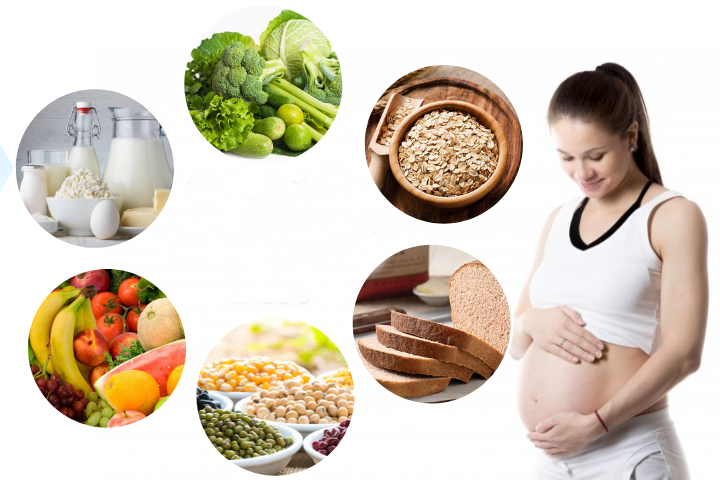
For a healthy pregnancy, the mother’s diet needs to be balanced and nutritious – this involves the right balance of proteins, carbohydrates, and fats, and consuming a wide variety of plants like vegetables, and fruits.
Some women’s diets may be impacted by ethical beliefs, religious requirements, or health conditions, so checking with a doctor is an important part of planning a pregnancy diet.
Rules
As mentioned above, the mother should follow a varied, balanced, and nutritious diet, and it must include:
Fruit and vegetables
Aim for five portions of fruit and vegetables per day. They may be in the form of juice, dried, canned, frozen, or fresh. Fresh and frozen (if frozen soon after picking) produce usually have higher levels of vitamins and other nutrients.
Experts stress that eating fruit is usually better for you than just drinking the juice, as natural sugar levels in juice are very high. Consider vegetable juices like carrot or wheatgrass for dense nutrition.
Starchy carbohydrate-rich foods
Starchy carbohydrate-rich foods include potatoes, rice, pasta, and bread. Carbohydrates are high in energy, and are therefore an important component of a good pregnancy diet.
Protein
Healthful, animal-sourced proteins include fish, lean meat, and chicken, as well as eggs. All pregnant women and especially vegans should consider the following foods as good sources of protein:
- Quinoa – known as a “complete protein,” it includes all the essential amino acids.
- Tofu and soy products.
- Beans, lentils, legumes, nuts, seeds, and nut butters are a good source of protein and iron.
British and Brazilian researchers reported in the journal PLoS ONE that pregnant women who ate seafood had lower levels of anxiety compared with those who did not. Pregnant mothers who never consumed seafood had a 53 percent greater risk of suffering from high levels of anxiety, the authors wrote.
Fats
Fats should not make up more than 30 percent of a pregnant woman’s diet. Researchers from the University of Illinois reported in the Journal of Physiology that a high-fat diet may genetically program the baby for future diabetes.
Fiber
Wholegrain foods, such as wholemeal bread, wild rice, wholegrain pasta, pulses like beans and lentils, fruit, and vegetables are rich in fiber.
Women have a higher risk of developing constipation during pregnancy; eating plenty of fiber is effective in minimizing that risk. Studies have shown that eating plenty of fiber during pregnancy reduces the risk or severity of hemorrhoids, which also become more common as the fetus grows.
Calcium
It is important to have a healthy daily intake of calcium. Dairy foods, such as cheese, milk, and yogurt are rich in calcium. If the mother is vegan, she should consider the following calcium-rich foods; calcium-fortified soymilk and other plant milks and juices, calcium-set tofu, soybeans, bok choy, broccoli, collards, Chinese cabbage, okra, mustard greens, beans, kale, and soynuts.
Zinc
Zinc is a vital trace element. It plays a major role in normal growth and development, cellular integrity, and several biological functions including nucleic acid metabolism and protein synthesis.
Since all these functions are involved in growth and cell division, zinc is important for the development of the fetus. The best sources of zinc are chicken, turkey, ham, shrimp, crab, oysters, meat, fish, dairy products, beans, peanut butter, nuts, sunflower seeds, ginger, onions, bran, wheat germ, rice, pasta, cereals, eggs, lentils, and tofu.
Iron and pregnancy
Iron makes up a major part of hemoglobin. Hemoglobin is the oxygen-carrying pigment and main protein in the red blood cells; it carries oxygen throughout the body.
During pregnancy, the amount of blood in the mother’s body increases by almost 50 percent – she needs more iron to make more hemoglobin for all that extra blood.
Most women start their pregnancy without adequate stores of iron to meet the increasing demands of their bodies, particularly after the 3rd or 4th month. If iron stores are inadequate, the mother may become anemic, and there is a higher risk of:
- Preterm delivery.
- Low-weight baby.
- Stillbirth.
- Newborn death.
- Tiredness, irritability, depression (in the mother) during the pregnancy.
If the mother is anemic later in the pregnancy, there is a higher risk of losing a lot of blood when she gives birth. The following foods are rich sources of iron:
- Dried beans.
- Dried fruits, such as apricots.
- Egg yolk.
- Some whole grain cereals, if they are fortified with iron.
- Liver is rich in iron, but doctors and most dietitians advise pregnant women to avoid liver. Liver is very high in vitamin A, which may harm the baby during pregnancy.
- Lean meat.
- Oysters (pregnant women should eat them cooked).
- Poultry.
- Salmon.
- Tuna.
- Lamb, pork, and shellfish also contain iron, but less than the items listed above.
- Legumes – lima beans, soybeans, kidney beans, dried beans, and peas.
- Seeds – Brazil nuts and almonds.
- Vegetables, especially dark green ones – broccoli, spinach, dandelion leaves, asparagus, collards, and kale.
- Wholegrains – brown rice, oats, millet, and wheat.
Non-animal sources of iron are less easily absorbed by the body. Mixing some lean meat, fish, or poultry with them can improve their absorption rates.
Foods to avoid
The following foods are best avoided during pregnancy:
- Mercury in some types of fish – shark, swordfish, and marlin should be avoided, or kept to an absolute minimum.
- Uncooked or partially cooked meat – this should be avoided, it should be cooked right through. Uncooked shellfish – there is a risk of bacterial or viral contamination which can cause food poisoning. Some bacteria and viruses can also cross the placenta and harm the baby.
- Raw eggs – including any foods with raw or partially cooked eggs in them. Eggs must be well cooked through to avoid salmonella infection.
- Uncooked or undercooked ready-prepared meals – it is crucial that ready-prepared meals are cooked through until they are piping hot. The risk of listeriosis exists, as well as infection from other pathogens.
- Pate – any type of pate, be it vegetable or meat-based – the risk here is also of listeria infection.
- Soft mold-ripened cheese – such as blue-veined cheese, Brie or Camembert. There is a risk of listeria infection. Listeria is a group of bacteria that can cause potentially fatal infections to pregnant women and their babies.
- Empty calorie foods – cakes, biscuits, cookies, chips and candy should be kept to a minimum. Many of these options are high in sugar and fat, have little nutritional content, and may undermine a pregnant woman’s efforts at maintaining a healthy body weight.
Weight gain
According to the Institute of Medicine, USA, a woman whose body mass index (BMI) is between 18.5 and 24.9 should gain 25-35 pounds (11.4-15.9 kilograms) during the 9 months. A woman who is overweight at the start of pregnancy should gain between 15-25 pounds (6.8 to 11.4 kg). Weight gain recommendations may also vary, depending on the woman’s age, fetal development, and her current health.
Excessive or insufficient weight gain can undermine the health of both the fetus and the mother.
Supplements
Iron
heartburn
Folic acid
The National Health Service (NHS), United Kingdom, recommends that supplements in the form of folic acid should be 400 mcg (micrograms) per day up to the 12th week of pregnancy. Ideally, women should have been on them before becoming pregnant, the NHS says.
Vitamin D
Guidelines in the UK say that a pregnant woman should take supplements containing 10 mcg of vitamin D daily. Summer sunlight is a good source of vitamin D (the light does not have the vitamin, but triggers the skin to synthesize it) – however, exposure should be limited because too much sunlight on the skin can cause burning and raises the risk of developing skin cancer.
Zinc
A study published in the Food and Nutrition Bulletin reported that observational studies, have shown that “zinc deficiency during pregnancy may cause adverse pregnancy outcomes for the mother and fetus.” After assessing several studies they found that pregnant women on zinc supplements were 14 percent less likely to have a premature delivery.
We provide infertility treatment at very low cost at Care Womens Centre, Indore, we have a special team of IVF Specialist Doctors who provide treatment for only childless couples. We have been providing infertility treatment at Care Womens Centre, Indore for the last several years. If you are looking for the best IVF center in Indore for infertility treatment, then come to the Care Womens Centre. Book an appointment today call now us 8889016663 for more information.
General Inquiry:-https://www.carewomenscentre.com/appointment/request-call-back/
Please go through our social media :
like our page to now more about IVF
Facebook :- https://www.facebook.com/CareWomensCentre/
Please do follow on Instagram
Instagram :- https://www.instagram.com/carewomenscentre/
To More Post:- What to know about sperm analysis?
 Best infertility hospital in indore