Endometriosis cannot be diagnosed with certainty by symptoms and physical examination alone. The healthcare practitioner may consider other conditions such as infections or tumors. One condition that may have similar symptoms to endometriosis is interstitial cystitis, or chronic inflammation of the bladder. Direct visualization of the endometriosis implants, typically via laparoscopic surgery, provides the definitive diagnosis. In order to diagnose endometriosis, the following steps may be taken:
A biopsy of the suspected tissue may be accomplished by laparoscopy. During this procedure, a tiny camera is inserted through small incisions in the patient’s abdomen. Instruments are used to remove a small piece of tissue that is examined in the laboratory. More invasive surgery, called laparotomy, requires a larger surgical incision, and does not rely on the use of a surgical camera.
During surgery, samples of the suspected areas are taken and evaluated by a pathologist. Microscopic examination of tissue samples taken during surgery may reveal endometrial cells in areas outside of the uterus.
Once a diagnosis of endometriosis has been made, the woman and her healthcare practitioner will discuss treatment options.
Is There Surgery to Treat Endometriosis?
If treatment with medications does not work or is not appropriate for a woman, surgery can be considered if she has severe pain or severe damage to the pelvic structures.
Laparoscopic surgery (a minimally invasive, camera-guided surgical procedure) may be used in an attempt to remove all endometrial tissue outside of the uterus. This removal is often performed during the surgery when endometriosis is diagnosed.
Surgery to remove the uterus and ovaries, called a hysterectomy, is considered for women who fail medical therapy and no longer wish to have additional children.
Although surgery can be very effective, endometriosis may recur following surgery. Some studies have shown the recurrence rate of endometriosis following surgical treatment to be as high as 40%.
Most women find relief from symptoms once menopause is complete and when the levels of hormones responsible for promoting this disease diminish.
The only IVF center in Care Womens Center Indore, which successfully treats infertility at very low cost. We treat IVF IUI, ICSI, Embryo Donor, Embryo Freezing and Infertility. Dr Shweta Kaul Jha at Care Womens Center is the best IVF specialist in Indore, who has been providing services at Care Womens Center for many years. If you are suffering from infertility and are looking for the best fertility center in Indore for successful IVF, then you should visit Care Womens Center. Visit for more information https://www.carewomenscentre.com/ and call us now 8889016663.
In Vitro Fertilization or IVF, is a method of assisted reproduction in which a man’s sperm and the woman’s egg are combined in a laboratory dish, where fertilization occurs. The resulting embryo or embryos is/are then transferred to the woman’s uterus (womb) to implant and develop naturally. Usually, two to four embryos are placed in the woman’s uterus at one time. Each attempt is called a cycle.
There are two types of infertility, primary and secondary.
Primary infertility is the inability of a couple to become pregnant (regardless of the cause) after one year of unprotected sexual intercourse using no birth control methods. While secondary infertility refers to a couple who cannot conceive a pregnancy when they have previously conceived together.
Secondary infertility affects about 6.1 million people in the United States, representing about 10% of men and women of reproductive age. Assisted reproductive technologies (ARTs) are techniques to help a woman become pregnant, including in vitro fertilization (IVF), intracytoplasmic sperm injection (ICSI), and other similar procedures.
IVF was used successfully for the first time in the United States in 1981. More than 4 million babies have been born worldwide as a result of using in vitro fertilization techniques. IVF offers infertile couples a chance to have a child who is biologically related to them. In 2015, more than 1.6% of infants born in the US are a result of a pregnancy conceived by assisted reproductive technologies.
Only a small percentage of infertile couples actually use IVF. IVF is usually the treatment of choice for a woman with blocked, severely damaged, or no Fallopian tubes. IVF is also used to overcome infertility caused by endometriosis or problems with the sperm (such as low sperm count). Couples who simply can’t conceive and have tried other infertility methods (such as intrauterine insemination) that have not worked for them can also try IVF.
It means not being able to become pregnant after a year of trying. If a woman can get pregnant but keeps having miscarriages, that’s also called infertility.. After one year of having unprotected sex, many of couples are unable to get pregnant.
There are certain stages of endometriosis, they are as following:-
Stage 1 or minimal: There a few small implants or small wounds or lesions. …
Stage 2 or mild: There are more implants than in stage 1. …
Stage 3 or moderate: There are many deep implants. …
Stage 4 or severe: This is the most widespread..
Treatment for endometriosis is certain harmonal surgery which are done under doctor prescription.
The study, which is published in the New England Journal of Medicine, is one of the largest to ever look at the relationship between fertility treatments and birth defects.
It linked 16 years of data — from 1986 to 2002 — on all infertility treatments at two clinics in South Australia to a registry of more than 300,000 births and 18,000 birth defects.
Researcher Michael Davies, PhD, MPH, an associate professor at the University of Adelaide in Australia, declined to mention specific types of defects, saying they are looking more deeply into that in his forthcoming research.
Overall, the study found that the risk of any birth defect in pregnancies involving assisted conception was 8% compared with 6% in babies conceived without?assisted techniques.
The risk of a birth defect after IVF was 7%. The rate of birth defects associated with ICSI was higher at 10%.
For IVF, doctors mix a woman’s eggs and the male’s sperm in a petri dish and later implant these into the female. In ICSI, doctors inject a single sperm directly into an egg to fertilize it. Resulting embryos are then placed into a woman’s uterus or can be frozen for future attempts.
One important point: When the doctors adjusted their data to account for a host of medical conditions and circumstances that are known to raise the risk of birth defects, like the mother’s age and a history of smoking, the increased risks associated with IVF largely went away — suggesting that the procedure itself was not to blame.
Birth defects associated with ICSI, however, remained 55% higher than the rates seen in fertile couples even after researchers took into account underlying factors associated with birth defects. Despite the apparent increased risk, “people getting ICSI shouldn’t be immediately alarmed,” says Davies.
“The [newest] data in the study are now 10 years old, and in that time, there have been dramatic improvements in implantation rates in ICSI, which I take to mean that embryo quality has improved over that time. So it could be that we’re looking at a historical snapshot and technology has overtaken it somewhat,” he says.
This is a very crucial period for women after embryo transfer and the fruits, foods or diet she takes will decide whether your IVF treatment will be successful or not. According to estimate about 1 in 8 women have trouble in getting pregnant. If you are ready to start or add new member in a family and you have tried all other fertility options but failed then IVF will be your best option to have biological baby. With the help of the modern technologies now it is possible to be fertilized and give birth to biological baby.
And here we will be discussing on foods and beverages to eat for a woman who went through IVF treatment.
Weeks wait for results after embryo transfer: – Embryo transfer is a process to transfer embryofrom lab to women uterus then we have to wait for 2 weeks to take blood test to see if IVF cycle was successful. Success means pregnancy and failure means another IVF attempt. And success of the attempt is completely depends on your diets and other physical exercises activities. So it is recommended that you have to stick on consulted guideline from your fertility doctor.
Ideal foods and beverages during IVF and embryo transfer: – After IVF treatment, you should focus on eating healthy and balanced foods and avoid eating heavy weight foods and vegetables. Some of the foods and vegetables are listed below to eat after embryo transfer.
Leafy greens
Banana
Nuts
Broccoli
Berries
Salmon
Seeds
Yogurt
Anchovies
Hummus
Sardines
Sprouts
Oats
Sweet Potatoes
Low Fats Dairy Products
Legumes
Fresh Fruits and Vegetables
Fish
Foods and Beverages You Should avoid: – During IVF treatment or after embryo transfer process, you should avoid eating below foods as these will affect success rate of IVF treatment and your pregnancy. Hence, it is advised to not eat/drink/smoke un-healthy foods and ingredients.
High Mercury Content
Alcohol
Soft Cheeses
Sodas
Smoking
Junk Foods,
Trans Fats (unsaturated fat)
Try to stick with whole foods and ingredients rather than processed foods with lots of sweeteners, colours, and ingredients.When possible, consult with your fertility specialist for diets and other relevant measures. It would be added advantage if you will focus on relaxation because it will reduce stress and improve chances of pregnancy.
Conclusion: – If fertility problems arise, intervention can be attempted from simple fertility awareness methods to more advanced methods associated with the in vitro fertilization and these interventions are scientifically innovative. This is very important to focus more on eating healthy foods and beverages as mentioned above and time to time do relaxation activities like meditation, exercises, rest, etc. to avoid failure of IVF treatment and also ask for consultation with your fertility specialist. You can also read about,
1. What is IVF treatment and how does it work?
2. How long does it take to get pregnant with IVF?
Intracytoplasmic sperm injection (ICSI) is very analogous to conservative IVF in that gametes (eggs and sperm) are together from each partner. The dissimilarity between the two procedures is the process of achieving fertilization. The head of the sperm must connect to the outside of the egg before a man’s sperm can fertilize a woman’s egg. Once it is attached, the sperm pushes through the external layer to the within the egg (cytoplasm), where fertilization takes place.
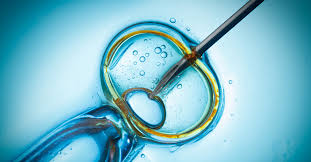
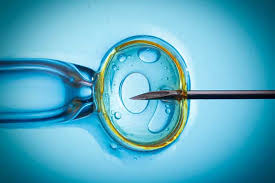
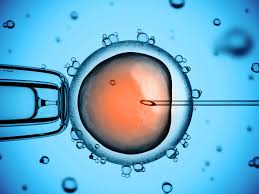
In some cases sperm cannot penetrate the outer layer such as the egg’s external layer may be broad or solid to go through or the sperm may be incapable to swim. In these cases, a process called intracytoplasmic sperm injection (ICSI) can be made along with in vitro fertilization (IVF) to assist fertilize the egg. During ICSI, a single sperm is infused unswervingly into the cytoplasm of the egg.
How does ICSI work?
By Vitro fertilization (IVF), an egg may be fertilized in two ways such as traditional and ICSI. In traditional IVF, 50,000 or more swimming sperm are located close to the egg in a laboratory dish. Fertilization happens when one of the sperm enters into the cytoplasm of the egg. In the ICSI process, a petite needle, called a micropipette, is used to insert a single sperm into the midpoint of the egg. Either through traditional IVF or ICSI method, once fertilization occurs, the fertilized egg grows in a laboratory for some days before it is transferred to the woman’s uterus (womb).
Why would I need ICSI?
Intracytoplasmic sperm injection (ICSI) helps to conquer fertility tribulations, such as:
The male partner constructs little sperm to do non-natural insemination.
Sperm cannot stir in a normal way.
The sperm may have a problem attaching to the egg.
In vitro developed eggs are being used.
Formerly frozen eggs are being used.
Troubles Occur During or after the ICSI process:
Intracytoplasmic sperm injection (ICSI) fertilizes 50% to 80% of eggs. But the subsequent troubles may occur during or after this process such as a few or all of the eggs may be spoiled or the egg might not grow into an embryo even after it is inserted with sperm or the embryo may discontinue growing.
Conclusion
However some of the doctors consider that ICSI escorts to labor defects, but it may also result due to the intrinsic peril of abnormalities in parents undergoing this process. If any person is looking to endure the ICSI process one can consult with his/her doctor first.
Care Womens Centre is the best fertility centre in Indore, also called test tube baby center. This center is the lowest cost IVF center in Indore. Care Womens Centre provides IVF, IUI, ICSI, Egg / Sperm / Embryo Donor, Cryopreservation / Sperm / Embryo Freezing, Laparoscopy & Hysteroscopic, Ultrasound Scan and other services. Dr Shweta Kaul Jha is one of the leading IVF specialists in Indore at Care Womens Centre , providing a wide variety of infertility treatments as well as in vitro related procedures such as IVF-ICSI, genetic testing, preserving fertility in cancer patients, and many more. If you are search for the Best fertility hospital in Indore, contact to Care Womens Centre Indore. Book an appointment today 8889016663 and visit https://www.carewomenscentre.com/ for more information.
As we know that, ICSI or Intracytoplasmic Sperm Injection is a form of IVF (in vitro fertilization) that is most frequently used in cases of tremendous male infertility, after oocyte conservation or after recurring breakdown with the conservative IVF attempts. In the case of usual IVF, numerous sperms are placed with an egg collectively. Contradiction to that, the Intracytoplasmic Sperm Injection process involves the embryologist taking a single sperm and injecting unswervingly into an egg.
There are many circumstances where the treatment is helpful.
In case, where a man expostulate does not hold sperm regardless of their production
ICSI aids couples getting pregnant in circumstances in the vein of low sperm count, the nonstandard form of sperm, poor motility of sperm, and physical obstruction.
If fertilization is not achieved by IVF (in vitro fertilization), ICSI is used in the next IVF cycle to improve the probability of fertilization. It also aids if you wish for pregnancy post-vasectomy.
At times frozen sperms do not emerge active or the eggs become hard by freezing. ICSI is a great alternative to defeat these complications.
In the case of Pre-implementation Genetic Diagnosis (PGD) with IVF, to hereditarily screen embryos, sperms that have not fertilized the egg also enclose the embryo. This can result in imprecise results of the Pre-implementation Genetic Diagnosis. ICSI ensures that non-participating sperms do not pressure the diagnosis.
If during IVF, eggs are retrieved from the ovaries and their last maturation stage is completed in the laboratory, ICSI significantly improves the rate of fertilization.
Disadvantages of ICSI:
Intracytoplasmic Sperm Injection is considered a low-risk treatment. Even though it is a superior process, it is also connected with some drawbacks and risks.
Embryo spoil: There are possibilities that an egg does not end up into a vigorous embryo after fertilization. Some eggs and embryos can get damaged throughout the process.
Pregnancy with multiples: If ICSI is used by the side of IVF, there will be a high chance of conceiving twins or triplets. Mothers pregnant with multiples often face difficulties in pregnancy and childbirth. Birth imperfection: The chances of birth defects are somewhat higher in ICSI as compared to the usual pregnancy. Conversely, these issues are exceptional.
Conclusion:
If you have any problem/difficulty, then you should consult your doctor, whose experience in the field and matter will shed some light on the substance.
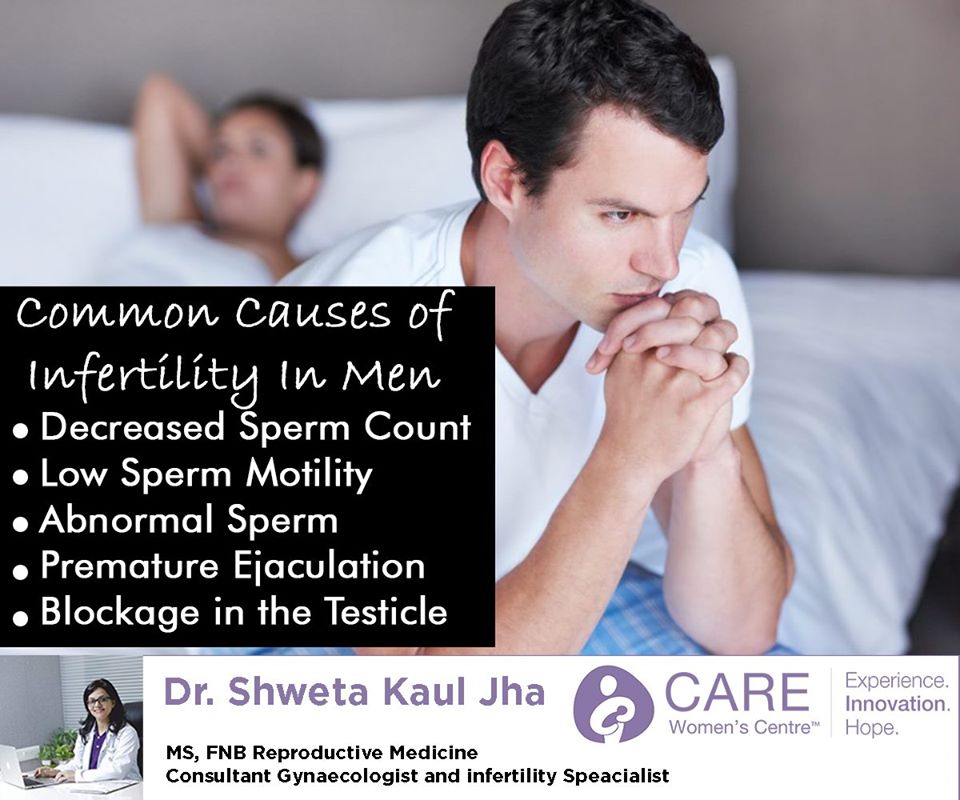
According to Indian Society of Assisted Reproduction, 10 to 14 percent of couples in India are not able to conceive a child naturally. Out of which 50 percent cases are due to Male Infertility. This is typically due to sexual abnormalities in male body. A man’s semen quality plays a vital role for conceiving a baby in female. There can be many reasons behind male infertility like low production of sperm, abnormal sperm function and certain blockages that cause hindrance in the delivery of sperm. There are 3 major properties of male sperm: –
Sperm should be enough in count.
Testicles should produce healthy sperm.
Sperm should be motile enough.
Male Infertility can be irritating and stressful for many couples. There are certain factors that affect male fertility, let’s see them one by one: –
INDUSTRIAL CHEMICALS AND METALS
Prolonged exposure to chemicals like benzenes, toluene, pesticides, xylenes, herbicides, painting materials and organic solvents may lead to low sperm counts. Exposure to heavy metals like lead may also become reason for male infertility.
RADIATION TO X-RAYS
Does your work include exposing X-rays for longer times? Then you should be careful because it can have permanent negative effects on your semen quality and production.
OVERHEATING OF THE TESTICALS
Elevated temperatures are responsible for heating testicles which may become responsible for sperm impairment. Though there’s no scientific research data to back up this argument. Sitting for longer duration, wearing tight clothes may also increase the heat in scrotum area and slightly reduce the sperm production
SMOKING OR CONSUMING TOBACCO
It has been observed that men who smoke or chew tobacco are reported to have a lower sperm count than those who don’t do any of those two. Inhaling secondhand smoke can also do the same fertility damage.
ALCOHOL CONSUMPTION
It’s time to put halt on your alcohol consumption, as it can lower your testosterone levels for a healthy sex life. High alcohol consumption can cause erectile dysfunction and lowers the sperm production in scrotum. Liver disease caused by binge drinking may also infertility problems in male.
DEPRESSION AND EMOTIONAL STRESS
Emotional Stress releases cortisol hormone in the body which interferes with sexual processes causing low libido and sperm count. If you’re suffering from depression, you might experience low sexual energy and delayed or premature ejaculation.
OVERWEIGHT OF THE BODY
Obesity can affect the quality of sperm by impacting the sperm count. Therefore, it becomes super important to keep body fit, active and in-shape.
OVERDOING DRUG ABUSE
Anabolic steroids are taken by body building athletes to increase muscle strength and growth. These same drugs later-on become responsible for shrinking of the testicles which leads to decline in sperm production. Use of recreational drugs like marijuana or cocaine also temporarily reduce the number and quality of sperm.
These were some factors that affect the male fertility. All of these can be avoided by taking preventions, avoiding addictive substances and eating healthy diet.
If you’re a couple facing fertility issues, then contact Care Womens Centre. It’s the best IVF center in Indore with an experienced faculty.
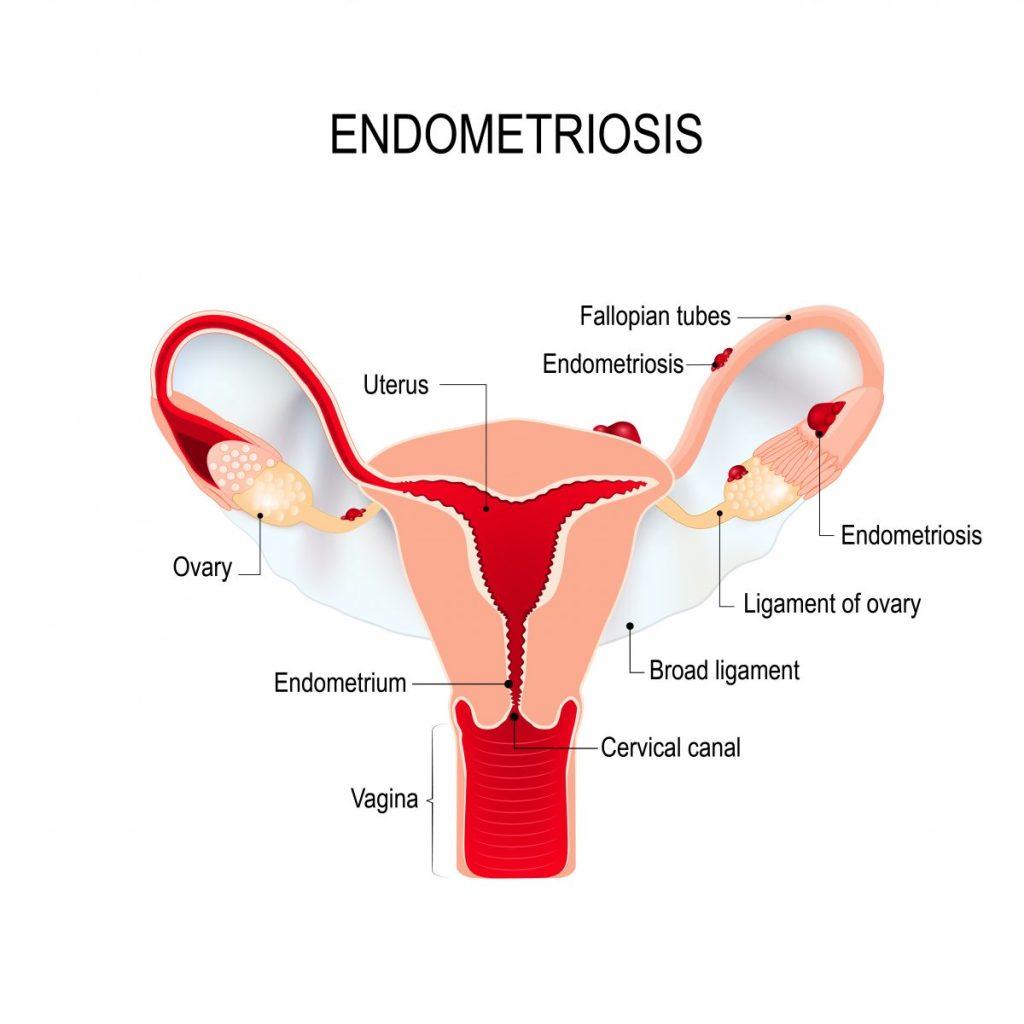
Endometriosis is a common disorder of the female reproductive organs and is the leading cause of chronic pelvic pain in women.
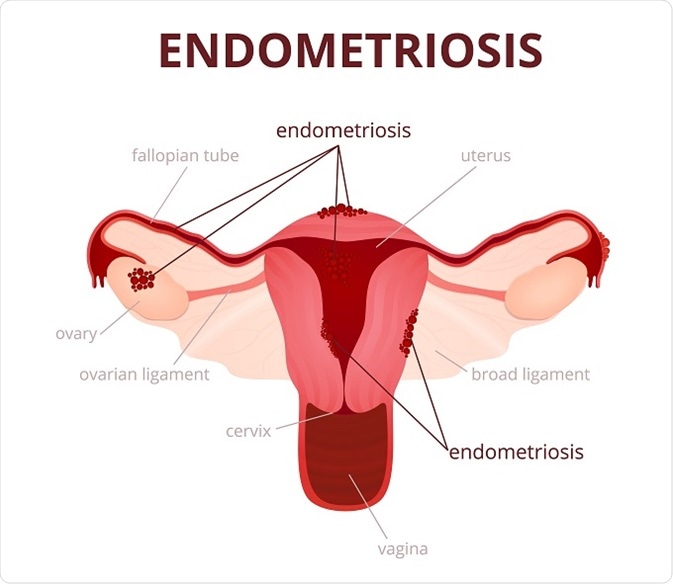
In women who have endometriosis, tissue similar to the lining of the uterus (endometrium) develops in other areas of the body, most commonly within the pelvic area or the abdominal cavity. The endometrial tissue may attach itself to the ovaries, the outside of the uterus, the intestines, or other abdominal organs. Rarely, endometriosis occurs outside the abdominal cavity, such as in the brain or lungs. Endometriosis may also develop in surgical scars following surgery on pelvic organs. The term “implant” is used to refer to a specific area of endometriosis in a certain tissue.
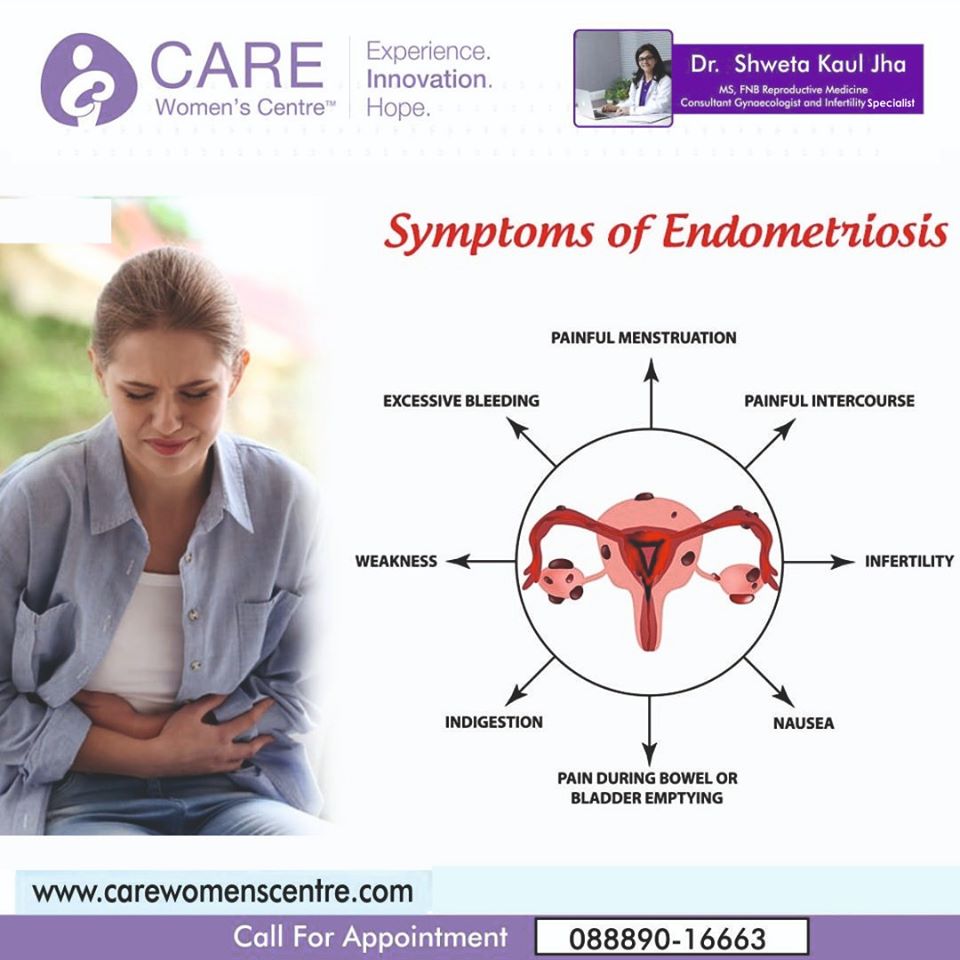
Endometriosis may not produce specific symptoms and signs, and most women with the condition don’t have any. However, women who have endometriosis and experience symptoms and signs they may include:
Pelvic pain that worsens just before a woman’s period (menstruation).
Pelvic pain that increases during menstration and gets better when her period ends.
Pain during sexual intercourse
Infertility
Many American women will experience problems with endometriosis, but an exact determination of the number of women affected is difficult, since many women may have the condition and do not have symptoms. In other situations, women may also have symptoms that could be attributed to endometriosis, but never undergo formal diagnostic studies to confirm that the condition is present. Most women who are diagnosed with endometriosis are between 25 and 35 years of age. Women may have symptoms for years before a definitive diagnosis is made.
During pelvic surgery for any gynecologic condition, about 1% of women are observed to have endometriosis. The percentages are much higher in young women undergoing laparoscopic surgery for pelvic pain and in women undergoing laparoscopic surgery to evaluate infertility.
Endometriosis is more common in Caucasian women than in African American or Asian women. Studies have also reported that endometriosis tends to occur most commonly in taller, thin women with a low body mass index (BMI).
Women with first-degree relatives who have endometriosis are also more likely to develop the condition, suggesting that the genes a woman inherits from her parents can sometimes predispose her to develop endometriosis.
Are you looking for the best Fertility centre and Test tube baby center in Indore? if yes so Care Womens Centre is a leading one of the best Test tube baby center and Best fertility hospitals in Indore. Dr Shweta Kaul Jha is one of the best IVF specialists in Indore at Care Womens Centre, that provide the 80% successful infertility treatment in Indore. She is also one of the eminent and renowned doctors in the field of gynecology and infertility treatments. She is one of the first infertility specialists of the city who had full-fledged structured training to understand and treat reproductive medicine which includes reproductive endocrinology, endoscopic treatment and IVF/ICSI treatments. Book an appointment call now 8889016663 and visit https://www.carewomenscentre.com/ for more information.
A fertility specialist is usually an obstetrician-gynecologist (specialist in women’s reproductive health) with advanced education, research, and professional skills in reproductive endocrinology. These highly trained and qualified doctors are the specialists to see about infertility.
Couples may want to talk to a health care professional for a referral to a clinic where doctors and staff have this special training. In addition, fertility clinics often have specialized equipment and imaging technology needed to make a diagnosis and to do semen testing and other specialized tests right at the office.
Check the American Society for Reproductive Medicine for a specialist and clinic in your area. A primary care physician or gynecologist will also be able to refer you to a fertility clinic.
Infertility is a problem that involves both partners. Therefore, the infertility specialist evaluates both the woman and the man. Testing for infertility is usually not done until after the couple has tried to become pregnant for at least 1 year if the woman is younger than 35 years, or older than 35 years and have not conceived during a six-month period of trying.
How Is Infertility Diagnosed?
Medical history A health care professional will take a complete medical history. Couples may be asked to provide the following information:
Complete medical history for both the man and the woman
Whether the woman has never been pregnant (primary infertility) or has been pregnant and is now unable to conceive (secondary infertility)
How long has the couple been trying to become pregnant
History of the woman’s previous pregnancies, if any
How often the couple has intercourse
A woman’s menstrual history
Current medical treatment for the man and woman
Physical examination
A health care professional may perform a physical examination on both partners, including the following aspects:
Routine blood pressure, pulse, and temperature
Height and weight
Inspection of sexual organs
Hormone testing
Woman: Pelvic ultrasound scan to look for masses, cervical mucus testing
Man: Genital examination, testicle size, hernias
A health care professional will discuss the findings from the medical history and physical examination. Sometimes, a complete infertility evaluation may take up to two menstrual cycles before the factors causing the infertility can be found.
Further testing for men
The male partner will be asked to submit a semen sample for a complete semen analysis. Even though a man has fathered a child in the past, he will still be asked to submit a semen sample because his reproductive system may have changed.
The semen sample may be collected at the laboratory (in a private room through masturbation). If a sample is collected at home, it must be collected in a sterile plastic container and delivered to the lab at a body temperature no more than 60 minutes after ejaculation.
Some men cannot produce a semen sample through masturbation. Therefore, the sample can be collected through intercourse, using a special non-spermicidal condom provided by the laboratory. For best results, the semen sample should be collected 3 to 5 days after a period of having no sexual intercourse.
A man may produce no sperm for various reasons. He may produce few sperm or sperm that have defects that prevent them from reaching or fertilizing the egg.
Further testing for women
Several conditions may affect a woman’s ability to get pregnant. A health care professional will evaluate the entire reproductive system.
The cervix plays a key role in the transport of the sperm after intercourse. Cervical mucus production, amount, and characteristics change according to the estrogen concentration depending on the menstrual cycle.
The uterus is the final destination for the embryo and the place where the fetus develops until delivery. Therefore, the uterus may be associated with primary infertility or with pregnancy problems and premature delivery. Other problems affect the development and function of the uterus (specifically the endometrium or inner layer of the uterus).
Ovaries may not release eggs. Fallopian tubes may be blocked. The doctor will want to evaluate all parts of the reproductive system.
The health care professional may use any of several procedures to examine the woman’s reproductive organs:
Pelvic exam: This is a general physical examination in which the doctor feels the uterus for detectable masses and views the cervix.
Hysterosalpingogram: This is an imaging study of the uterus and Fallopian tubes after contrast dye has been injected through the cervix. It shows the shape of the uterus and if the Fallopian tubes are open. The dye appears white on an X-ray. This test is usually performed before ovulation so the dye does not disrupt an egg or developing embryo. The woman may be given pain medication before the test because some women experience minor pain.
Ultrasound: Pelvic ultrasound has become an important tool in the evaluation and monitoring of infertile women. It is a way to detect uterine fibroids, endometrial polyps, ovarian cysts, and other abnormalities in the pelvis from the outside with sound waves. A sonohystogram, or saline infusion sonography (SIS) is a test that combines ultrasound with saline solution injected into the uterus.
Magnetic resonance imaging (MRI): This is another imaging procedure similar to an X-ray that uses magnetic waves to create images of the internal organs.
Hysteroscopy: This is a method of directly seeing the interior of the uterus with an instrument.
Laparoscopy: This is a surgical procedure that allows the doctor to see directly inside the pelvis with tiny instruments inserted through small cuts in the abdomen.
Endometrial biopsy: This test involves removal of a small piece of tissue from the uterine lining by a catheter inserted through the cervix. This test can help determine whether the menstrual cycle is normal and whether ovulation has occurred.
Infertility may be caused by so many different problems that it is beyond the scope of this discussion to outline them all.
Care Womens Centre is one of the best fertility centres in Indore. We are specialist in providing infertility treatment in Indore through the revolutionary method IVF. Our center is known for its world best treatment and the affordable cost of the treatment that makes the infertility treatment accessible for everyone. Dr Shweta Kaul Jha is a renowned reproductive IVF specialist in Indore at Care Womens Centre. We are providing the best treatments with the top- notched techniques and the latest methods used for IVF such as egg donation, sperm donation, IUI, test tube baby treatment Blastocyst techniques that maximize the success rates by many folds. Book an appointment call now 8889016663 and visit https://www.carewomenscentre.com/ for more information.



 Best infertility hospital in indore