– Eat 6 to 11 Healthy Meal a day – Keep Healthy Snacks Available at Work – Get At-least 10 Hours of sleep at Night – Take Breaks at Regular Intervals – Do Moderate Exercise
“Should we be using new tool of Flageliar Analysis and Sperm Tracking ( FAST)?”
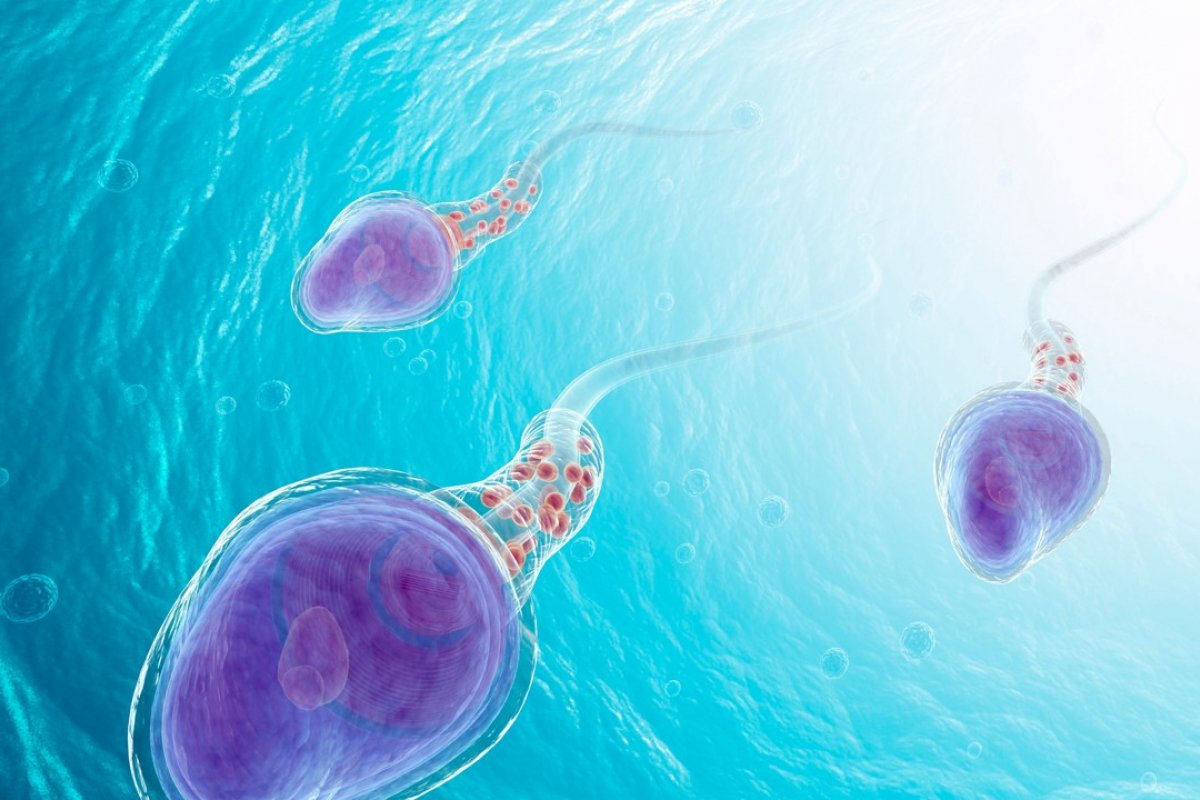
INTRODUCTION: Can flagellar analyses be scaled up to provide automated tracking of motile sperm and does knowledge of the flagellar waveform provide new insight not provided by routine head tracking? The clinical gold standard for sperm motility analysis comprises a manual analysis by a trained professional, with existing automated sperm diagnostics computer-aided sperm analysis (CASA)] relying on tracking the sperm head and extrapolating measures. It is not currently possible with either of these approaches to track the sperm flagellar waveform for large numbers of cells in order to unlock the potential wealth of information enclosed within.
SUMMARY: Using the software tool IFlagellar Analysis and Sperm Tracking (FAST)! Gallagher et al’ analysed 176 experimental microscopy videos and have tracked the head and flagellum of 205 progressive cells in diluted semen (DSM), 119 progressive cells in a high-viscosity medium (HVM) and 42 stuck cells in a low-viscosity medium. The software tool in this manuscript has been developed to enable high-throughput, repeatable, accurate and verifiable analysis of the sperm &Filar beat. Unsc reened donors were recruited after giving informed consent. They described fully automated tracking and analysis of flagellar movement for large cell numbers. The analysis is demonstrated on freely motile cells in low- and high•-viscosity fluids and validated on published data of tethered cells undergoing pharmacological hyperactivation. Direct analysis of the flagella,- beat reveals that the CASA measure ‘beat cross frequency’ does not measure beat frequency; attempting to fit a straight line between the two measures gives R2R2 values of 0.042 and 0_00054 for cells in DSM and I-IVM, respectively. A new measurement, track centroid speed, is validated as an accurate differentiator or progressive motility. Coupled with fluid mechanics codes, waveform data enable extraction of experimentally intractable quantities such as energy dissipation, disturbance of the surrounding medium and viscous stresses. They provide a powerful and accessible research tool, enabling connection of the mechanical activity of the sperm to its motility and effect on its environment. The FAST software package has only been tested for use with negative phase contrast microscopy. Other imaging modalities, with bright cells on a dark background, have not been tested but may work. FAST is not designed to analyse raw semen; it is specifically for precise analysis of flagellar kinematics, as that is the promising area for computer use. flagellar capture will always require that cells are at a dilution where their paths do not frequently cross.
CONCLUSION; High-throughput flagellar waveform tracking and analysis enable measurement of experimentally intractable quantities such as energy dissipation, disturbance of the surrounding medium and viscous stresses, which are not possible by tracking the sperm head alone. Combining tracked flagella with mathematical modelling has the potential to reveal new mechanistic insight. By providing the capability as a free-to-use software package, ability to accurately quantify the flagellar waveform in large populations of motile cells will enable an abundant array of diagnostic, toxicological and therapeutic possibilities, as well as creating new opportunities for assessing and treating male subfertility.
REFERENCES: I. M T G-allagher, C Cupples, E H Ool,1 C Kirkman-Brown, D 1 Smith, Rapid sperm capture: high-throughpul Ilageilar waveform analysis, Huinan Reproduction. Volume 34, Issue 7, July 2019, Pages 1173-1135, luipsdidoi.orgi10,1093fItuinreptcler,OSIS
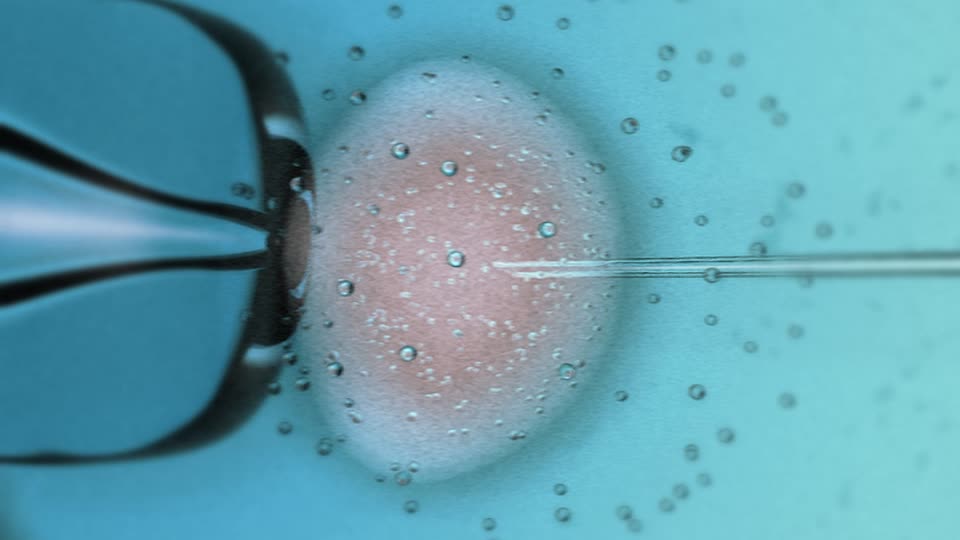
In-vitro Fertilization helps you to overcome from various causes of infertility. For the couples who have been diagnosed with tubal blockage in females or sperm abnormality in males, and many other such problems that are causing infertility or if other simpler treatment procedure haven’t worked out then IVF is the most trusted solution. Few common conditions can be treated by IVF are mentioned here:
Endometriosis
Endometriosis is the disorder characterized by the growth of endometrium like tissues, (tissue lining the inner layer of uterus), outside the uterus i.e. in Fallopian tubes, ovaries and to the lining of pelvis. These extra growths function as normal endometrial wall and with each menstrual cycle they become thick, break and bleed. It causes severe pain during menstruation (known as Dysmenorrhoea). And most importantly it can be the cause of infertility. If endometriosis associates with ovaries, it may leads to formation of cysts known as Endometriomas. In such cases IVF is the first line of treatment, sometimes along with a combination of medical and surgical treatment regime gives the most promising results.
Polycystic Ovarian Syndrome/Disease
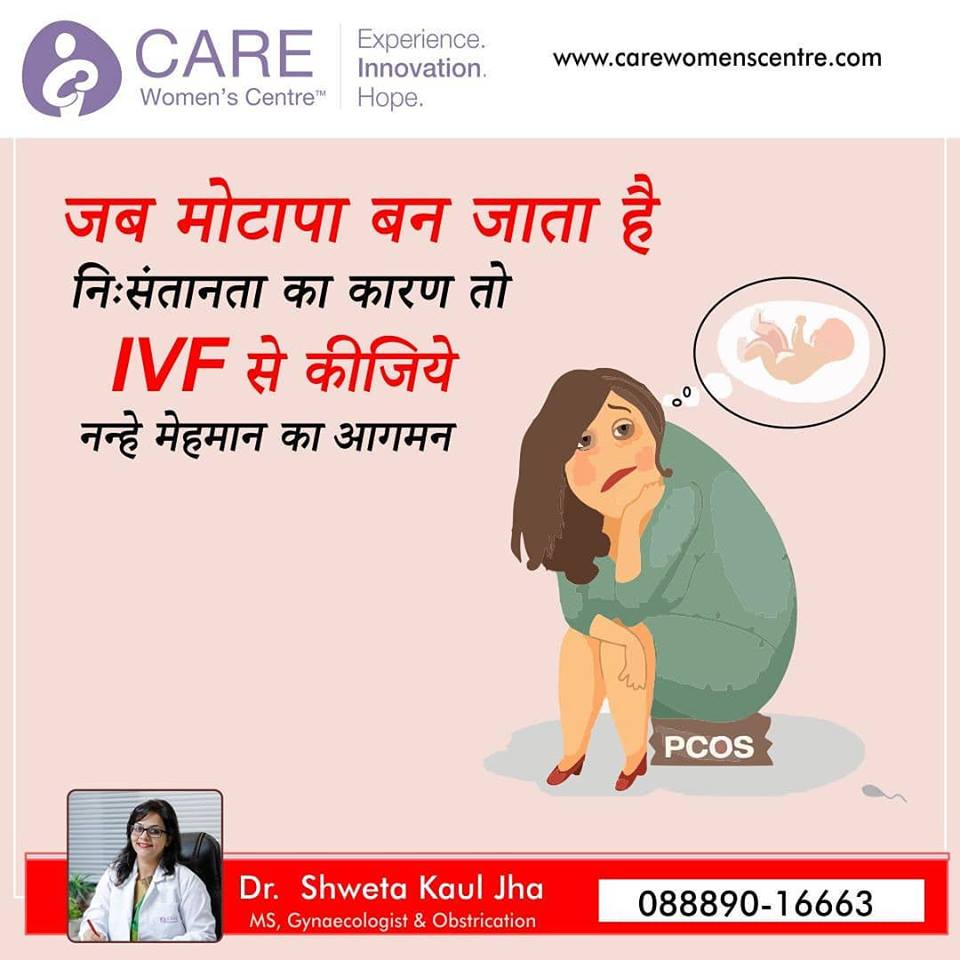
PCOS/PCOD (Polycystic Ovarian Syndrome/Disease) is characterized by irregular or prolonged Menstrual periods in women of reproductive age. It is generally diagnosed in married women when they are unable to conceive children, however through general awareness and monitoring, it can be diagnosed at an earlier stage and is resolved by regular treatment. Most of the patient with complain of PCOS conceive with the simpler procedure like IUI, but some of them experience failure at one or other stage. For those patients IVF is the better option with higher success rates and reduced risks.
Fallopian tube blockage/ dama
Blocked fallopian tubes are usually non symptomatic and not detected at early age, It is one of the possible cause of infertility in females. It is also known as “Tubal Occlusion”. Fallopian tubes are the pathway of eggs to transfer from ovary to uterus and the site of fertilization. Any blockage or damage to this creates problem in conceiving. This is primarily corrected by surgery but if there is any kind of risk in surgery, the other treatment option suggested by fertility specialists is to opt for IVF. This process by-pass the tube and the fertilized egg is placed directly in the uterus and pregnancy is achieved.
Age Related Infertility
With increasing age of women, normal ovarian functions and reproductive health decreases. Even at later ages, after having a baby, there can be problems in getting pregnant second time also. It has been reported by many studies that after the age of 35 years the normal reproductive life starts reduction and in most of cases ovulation become irregular. This condition is now easily overcome by IVF treatment, outcome of the IVF procedure is promising if there is no other physical ailments.
Male Infertility factors
Male Infertility solemnly accounts for approximately one third of the cases of infertility among couples trying to conceive and is an issue of growing concern these days. Infertility in male individuals is mostly ignored and remains undiagnosed until there is a failure of conception after marriage. There are various causes of male infertility which interfere with your chances to have a baby.
Pre-testicular causes: These comprise of Endocrine (Hormonal) Abnormalities and Coital Disorders. The factors that affect the normal hormonal regulation of the testicle can be obesity, low testosterone, medications, steroids, narcotics.
Testicular causes: It includes Genetic, Congenital and Vascular Defects. The factors which are responsible for affecting normal sperm production by the testicle are undescended testicles, trauma to the testicle, prior chemotherapy, a history of testicular cancer, genetic factors, genital infections, prescription drugs and cigarette or marijuana smoke.
Post-testicular causes: It includes Obstructions, Vasal Defects and Immunological Disorders. The Factors interfere with the ability of the sperm to travel from Testicle (the site of production) to vagina through ejaculation during intercourse can be genetic factors, hernia repair, absent vas deferens, vasectomy, genital tract infection, ejaculatory duct abnormalities, retrograde ejaculation, erectile dysfunction.
These issues are a big hurdle in a couple’s life. And all those problems related to sperm quality and transfer, except those because of genetic issues can be overcome by IVF. IVF became a boon for the couples who have been diagnose with infertility issues and you need to get the appointment with your fertility expert in case of getting issue in pregnancy or conceiving.
Are you looking for the Best fertility centre in indore? Care womens centre is one of the best fertility centre and ivf center in indore. provides affordable, world-class medical care for the infertility couple. Are you looking for best IVF hospitals in India at low costs? Contact us today for Best fertility hospital in indore. For More information visit our website and book an appointment https://www.carewomenscentre.com and call us More information 88890 16663.
Menopause, when we hear this word it is obvious that we think of pause to the periods in females. But Menopause does occur to males also. Declining in Androgen (testosterone) level with aging is referred to as Andropause or male menopause. This is very different from menopause to females, in which there is production of hormone and ovulation completely stops in a short period of time. But in Andropause there is decline in level of testosterone occur gradually.
Symptoms & Complications
It may vary from person to person. Men going through Andropause undergo symptoms like:
• Mood swing and irritability • Depression • Reduced sex drive • Reduced erection or difficulty in getting erections (Erectile dysfunction) • Increase in body fat • Feeling of tiredness and loss of energy • Dryness and thinning of skin • Sleeping disturbance
Complications may be the increased risk of osteoporosis and heart related disorders.
Causes
Age is the main factor to cause decrease in the testosterone level. Decrease in SHBG (sex hormone binding globulin), hormone that pulls out testosterone from blood, with age also lead to Andropause in males.
Conditions like Diabetes, Obesity, Liver & Kidney disease and Infections also cause decrease in hormone level at early age.
Diagnosis
To diagnose the conditions for male menopause, male fertility expert will do
• Physical Examination • Detailed history of Symptoms and complications • Blood tests for medical conditions (if any) • Detect the level of testosterone in blood
Treatment
Low testosterone can be treated by Testosterone Replacement Therapy. With the replacement therapy doctor advise you to keep maintaining the lifestyle. Proper diet plan is provided. Regular exercise is highly recommended. Medications like antidepressants are prescribed.
Hormone Replacement Therapy can have some side effects associated with it, before undergoing through this procedure you must consult your fertility expert and take a brief of positive and negative effects of the treatment therapy. It may vary from person to person according to the health status. Complications includes increased risk of heart disease, it may worsen prostate cancer.
INTRODUCTION: Poor sleep health is a risk factor for a host of adverse health outcomes including obesity, type 2 diabetes, cardiovascular disease, depression and all-cause mortality. In reproductive epidemiology disrupted sleep patterns have been linked to a higher risk of adverse pregnancy outcomes such as gestational diabetes, stillbirth, preterm birth and low birth weight. New evidence has emerged that sleep disturbances may be associated with impaired fertility in women. Wise LA et al.1 reported short sleep duration in men was associated with reduced fecundability. Identifying modifiable determinants of infertility could provide alternatives to expensive fertility workups and treatments.
SUMMARY: Gaskins AJ2 recently (2019) found association between short sleep duration (e.g., sleeping <6 hours compared with sleeping 8 hours) and lower fecundability, a fairly robust relationship between troubled sleep and lower fecundability. The cumulative probability of pregnancy at 12 months was 64% for women with trouble in sleeping more than 50% of the time compared with 76% among women with no trouble in sleeping. However, this association was largely attenuated with additional adjustment for male partner sleep duration and when restricted to nulliparous women. 20% of women in this cohort reported troubled sleep more than 50% of the time, so not a rare exposure. According to this study, women who had troubled sleep more than 50% of the time were of lower socioeconomic status, were more likely to be from minority group and had higher levels of depression and perceived stress compared with women with no trouble sleeping. This then leads to the question of whether improving sleep could be used as an option to buffer against the adverse effects of other risk factors for delayed time to pregnancy such as depression, anxiety or low socioeconomic status.There are also systematic biases in the way that sleep is self-reported within certain subgroups, such as people with depression or obesity, who feel tired and may suspect they sleep less than the norm, regardless of their actual measured sleep. Therefore, further studies where more objective measures of sleep quality through actigraphs or more rigorous standardized measures is recommended.
CONCLUSION: From a clinical perspective, treatment of disordered sleeping would not only enhance the quality of life, but also may represent a modifiable pathway for enhancing spontaneous fertility. This article has a fascinating first look at the association between sleep health in women and time to pregnancy, it is the first longitudinal studies to enhance our knowledge on this topic further. Given the growing trend in recognizing sleep disorders and sleep deprivation as an unmet public health problem, particularly among young women, clinicians and researchers alike should be encouraged to collect information on sleep habits and consider it as one of many important factors, in addition to a healthy diet and active lifestyle, in increasing wellness and potentially fertility in women.
REFERENCES:
1.Wise L.A., Rothman K.J., Wesselink A.K., Mikkelsen E.M., Sorensen H.T., McKinnon C.J., Hatch E.E. 2018. Male sleep duration and fecundability in a North American preconception cohort study.Fertility and Sterility, 109 (3), pp. 453-459.
2.Gaskins A.J. Poor sleep and delayed time to pregnancy: a wake-up call for physicians and researchers? (2019).Fertility and Sterility, Available online from :https://doi.org/10.1016/j.fertnstert.2019.02.125
“Can outdoor air pollution affect the FET and fresh ET outcome in IVF cycles?”
Introduction: Ambient air pollution has been associated with human infertility and IVF outcomes. Choe et al1 study indicated lower pregnancy rates in IVF cycles may be linked to ambient air pollution during controlled ovarian stimulation and the post-transfer period. Does outdoor air pollution differentially affect the outcomes of frozen–thawed embryo transfer (FET) and fresh transfer?
Summary: Wang et al2 studied the affect of air pollution on IVF treatment cycles in 11148 patients contributing to 16290 transfer cycles between January 2013 and December 2016. The average age of the cohort was 31.5 years. Inverse distance weighting interpolation was used to estimate the daily ambient exposures to six pollutants (PM2.5, PM10, SO2, NO2, CO, O3) at an IVF clinical site, according to the data from fixed air quality monitoring stations in the city. The exposures of each cycle were presented as average daily concentrations of pollutants from oocyte retrieval to embryo transfer/cryopreservation. Exposures were analyzed in quartiles. A generalized estimating equation was used to evaluate the association between pollutants and IVF outcomes. The clinical pregnancy rate and live birth rate of the cycles was 55.1% and 47.1% respectively. Among the included cycles, 4013 patients received 5299 FET cycles, resulting in 42.7% live birth per ET, whereas 9553 patients received 10991 fresh transfer cycles, resulting in 49.2% live birth per ET. Increased SO2 and O3 levels were significantly associated with lower live birth rates in FET cycles, whereas none of the pollutants were significantly associated with lowering of IVF outcomes in fresh transfer cycles. The FET cycles in the highest quartile of SO2 and O3 exposure had significantly lower live birth rates (adjusted OR) in comparison with those in the lowest quartile. Models involving all transfer cycles and interaction terms (FET exposures) suggested that FET significantly enhanced the effects of SO2 and O3 exposure on IVF outcomes (P < 0.001). Accounting for all six pollutants, women in the highest quartile of SO2 still had the lowest live birth rates (OR 0.61, 95%CI 0.47–0.80).
Conclusion: This study implied that embryos undergoing FET may be more vulnerable to a suboptimal environment than those undergoing fresh transfer. Increased SO2 and O3 levels at the site of IVF unit were significantly associated with lower live birth rates following FET but did not affect the contemporary fresh transfer outcomes. In heavily polluted sites or seasons, fluctuation in FET outcomes may be partially explained by the dynamic changes of ambient gaseous air pollutant.
References:1. Xin li Wang, Jiali Cai, Lanlan Liu, Xiaoming Jiang, Ping Li, Aiguo Sha, Jianzhi Ren; Association between outdoor air pollution during in vitro culture and the outcomes of frozen–thawed embryo transfer, Human Reproduction, Volume 34, Issue 3, 1 March 2019, Pages 441–451, https://doi.org/10.1093/humrep/dey386
2.Choe SA, Jun YB, Lee WS, Yoon TK, Kim SY. Association between ambient air pollution and pregnancy rate in women who underwent IVF. Hum Reprod. 2018 Jun 1;33(6):1071-1078. doi: 10.1093/humrep/dey076. PubMed PMID: 29659826.
Care womens centre is one of the Best IVF centre and test tube baby center in indore, We provide IVF, IUI, ICSI, test tube baby treatment, Laproscopy & Hysteroscopic Surgery and Infertility Treatment for males & females at affordable price. care womens centre Best centre for IVF in indore. For More information visit our website and book an appointment www.carewomenscentre.com and call For More information – 8889016663.
“Do we need to update IVF protocols to use semen from shorter periods of abstinence?”
introduction: Men have usually been advised to limit sexual activity to increase the chances of pregnancy. A new study suggests sperm quality and pregnancy outcomes in IVF may be improved with frequent ejaculation,
Summary: Research carried out Da Li et aVaimed to determine the effects of a short period of abstinence on the quality of ejaculated sperm, as well as its effect on the pregnancy outcomes of 500 couples undergoing EVE Major molecular differences were seen between samples of semen depending on the duration of abstinence. Ejaculates from short (1-3 hours) compared with long (3-7 days) periods of abstinence showed increases in motile sperm count, sperm vitality, normal sperm morphology, acrosome reaction capacity, total antioxidant capacity, sperm mitochondria’ membrane potential, high DNA stainability and a decrease in the sperm DNA fragmentation index (P<0.05). Sperm proteomic analysis showed 322 differentially expressed proteins (minimal fold change of ±1.5 or greater and P < 0.05), with 224 up-regulated and 98 down-regulated. These differentially expressed proteins are profoundly involved in specific cellular processes, such as motility and capacitation, oxidative stress and metabolism. Interestingly, protein trimethyllysine modification was increased and butyryllysine, propionyllysine and malonyllysine modifications were decreased in ejaculates from a short versus long abstinence (P < 0.051 Finally, the rates of implantation, clinical pregnancy and live births from in vitro fertilization treatments were significantly increased (by one-third in this study) in semen samples after a short abstinence. This study provides preliminary mechanistic insights into improved sperm quality and pregnancy outcomes associated with spermatozoa retrieved after a short ejaculatory abstinence.
Conclusion: These results collectively suggest that having more frequent sex produces sperm of a better quality and increases the likelihood of a successful pregnancy. Specifically, semen samples collected after only one to three hours of abstinence contained more motile sperm with a higher reproductive potential than samples collected after men who had abstained for three to seven days.
References: Zi-Qi Shen, Bei Shi, Tian-Ren Wang, Liao Liao, Xuejun Shang, Qi-fun Wu, Yi-Ming Zhou, Tie-Feng Can, Qiang Du, Xiu-Xia Wang and Da Li. Characterization of the Sperm Proteome and Reproductive Outcomes with in Vitro Fertilization after a Reduction in Male Ejaculatory Abstinence Period. Molecular & Cellular Protearnics August 20, 2018,mcp.RA117.000541; https://doi.org/10.1074/mep.RA11 2000541
“Should we be trying expectant management or IVF treatment?”
INTRODUCTION: The clinical indications for IVF, initially started from bilateral tubal blockage and now has extended to unexplained subfertility in which there is no identifiable cause or barrier to conception. There is little evidence from randomized controlled trials that IVF is effective in these couples.Which couples with unexplained subfertility can expect increased chances of ongoing pregnancy with IVF compared to expectant management ?
SUMMARY: Eekelen et al1 recently compared outcomes in couples with unexplained subfertility undergoing IVF (n = 40921) from registry data to couples with the same type of subfertility on expectant management. Those couples on expectant management (only intercourse) comprised a prospective nation wide Dutch cohort (n = 4875) and a retrospective regional cohort from Aberdeen, Scotland (n =975). They excluded couples who had tried for less than 1 year to conceive, cases of anovulation, tubal occlusion, mild or severe endometriosis or male subfertility. Matching of couples who received IVF and couples on expectant management based on their characteristics to control for confounding were done. They fitted a Cox proportional hazards model including patient characteristics, IVF treatment and their interactions to estimate the individualized chance of conception over 1 year, either following IVF or expectant management for all combinations of patient characteristics. The endpoint was conception leading to ongoing pregnancy, defined as a foetus reaching a gestational age of at least 12 weeks. The adjusted 1year chance of conception was 47.9% (95% CI: 45.0–50.9) after IVF and 26.1% (95% CI: 24.2–28.0) after expectant management. The absolute difference in the average adjusted 1 year chances of conception was 21.8% (95%CI: 18.3–25.3) in favour of IVF. The effectiveness of IVF was influenced by female age, duration of subfertility and previous pregnancy. IVF was effective in women under 40 years, but the 1 year chance of an IVF conception declined sharply in women over 34 years. In contrast, in woman over 40 years of age, IVF was less effective, with an absolute difference in chance compared to expectant management of 10% or lower. Regardless of female age, IVF was also less effective in couples with a short period of secondary subfertility (1 year) who had chances of natural conception of 30% or above.
CONCLUSION : For couples in which the woman is under 40 years of age, IVF is associated with higher chances of conception than expectant management in unexplained subfertile couples. IVF should be used selectively based on judgements on gain compared to continuing expectant management for a given couple.
REFERENCES :1. R van Eekelen, N van Geloven, M van Wely, S Bhattacharya, F van der Veen, M J Eijkemans, D J McLernon. IVF for unexplained subfertility; whom should we treat?, Human Reproduction, dez072, https://doi.org/10.1093/humrep/dez072 Published 13 June 2019.
If your gynaecologist suggests that there is a risk in the pregnancy, there must be several questions arise in your mind, like whether the baby is OK or not? How will be the health of the baby or the mother? How much prenatal care to be needed? Etc.
In general we suggest that the case is of high risk pregnancy if there is a complicated disease or disorder that is affecting the health of either mother or foetus or both. The risk factors:
• Age of pregnancy- mothers at the age less than 19 or more than 35 are at the higher risk of pregnancy.
• Lifestyle habits- habits of smoking cigarettes, regular high intake of alcohol or any other drug abuse may leads to the high risk during pregnancy.
• Physical health- height and weight of the lady also contributes to this, Short stature of <145cms and weight lacking or leading the range of 40-80kg.
• Medical history- Mother with the history of uncontrolled Asthama, infections, chronic hypertension, diabetes, breathing problems, etc are generally considered as at high risk of pregnancy.
• Multiple pregnancy with twin or higher multiples and pregnancy complications like placenta position, Rh sensitization, etc.
Need to detect high risk pregnancy:
• To assess the treatment plan and reduce the chances of emergencies.
• It the diagnosis is done properly, during treatment we can avoid the risk to life of mother and the baby.
• Early diagnosis helps to reduce the drug requirements and hence can be cost effective.
Symptoms:
• Breathlessness • Excertion • Headache and pain in abdomen • Per vaginal bleeding or leaking • Vision problems
Steps to be taken:
• Preconception appointment are highly recommended to the patients having any of the known risk factors and planning to become pregnant. Physical assesment is very important before concieving. Also discuss about the genetic condition in relation to baby.
• Visit your consultant to get regular prenatal check-ups. This will help your doctor to assess your and your baby’s health.
• Avoid getting habits of smoking, drinking, etc. If you already have the habits then quit them immediately.
• During pregnancy your basic body requirements increases thus you need to have proper dietary intake and food that fulfill the nutritional needs.
High risk pregnancy might make you nervous or anxious about the risk factors Associated with the baby or the mother but you must take these steps and keep the positive attitude to have a healthy pregnancy.







 Best infertility hospital in indore