Prenatal Workout: Safe Exercises for Pregnant Women

Prenatal Exercise:- Regular exercise during pregnancy is important for your health and well-being. It can improve posture, prevent backaches, decrease fatigue, relieve stress, and build stamina you will need for labor and delivery. It may also help prevent a type of diabetes that develops during pregnancy (gestational diabetes).

Most aerobic, resistance, and flexibility exercises are safe during pregnancy, but because each woman and each pregnancy is different it’s important to consult your doctor before starting any exercise program while pregnant.

Exercise and Heart Rate:- In the past the American College of Obstetricians and Gynecologists recommended pregnant women not raise their heart rate above 140 beats per minute during exercise, but this is no longer a guideline. Most women who were physically active prior to becoming pregnant can maintain physical activity during pregnancy. You may have to reduce the intensity; work out at a comfortable level, such as with low impact aerobics versus high impact. Exercising at about 70% of your maximum heart rate causes no change in the fetal heart rate.

Previously Sedentary:- Whether you were active before your pregnancy or not, you can exercise while pregnant. The American College of Obstetricians and Gynecologiysts states, “If you are active, pregnancy need not cause you to alter your fitness routine,” and, “If you have not been active, now is a good time to start.” For most women, exercising during pregnancy is safe.

Who Should Not Exercise During Pregnancy?:- However, some women should not exercise during pregnancy. If you have a medical condition such as asthma, heart disease, or diabetes, you should consult your doctor before exercising.In addition, you may be advised to avoid exercise if you have certain pregnancy-related conditions, including bleeding or spotting, low-lying placenta, threatened or recurrent miscarriage, previous premature births or history of early labor, or a weak cervix. Talk to your doctor before starting exercise for some guidelines on what you can and cannot do.

Wet Your Whistle :- Make sure you drink plenty of water when you work out during pregnancy. Try drinking 8 ounces of water 20-30 minutes before you start exercise, and 8 ounces every 20-30 minutes during your workout. Also remember to hydrate following your routine. If you are concerned you will need to use the bathroom more often because you are drinking more, work out at a gym where there is a restroom available, or if you walk or run outside, stay close to home in case you need to make a pit stop.

What Should a Pregnancy Exercise Program Consist Of?:- Consult with your doctor for an individualized exercise program that is right for you. However, if you are healthy and your pregnancy is without complications there are some general guidelines for exercise that most women can follow. Begin workouts with a five-minute warm-up and five-minute stretch. Try to get about 15 minutes of cardiovascular activity and monitor your heart rate. Gradually slow down and lessen the intensity of your cardio, and finish up with some gentle stretches.

What Exercises Are Safe During Pregnancy?:- When you’re pregnant, you can do most types of exercise. Just don’t overdo it. Activities such as swimming, walking, indoor stationary cycling, step or elliptical machines, or low-impact aerobics classes can be very beneficial with a low risk of injury to you or your baby.Some other types of exercise can still be continued but you may find you need to modify your movements. For example, changes in balance may affect your tennis game, and your runs may need to be slowed to accommodate your pregnancy. As you progress in your pregnancy you may want to consider exercises that do not require balance or coordination.

Stretching Exercises:- Stretching is recommended exercise to keep your muscles limber, and to warm up before other more intense workouts. The following slides review some simple stretches you can do before or after your workouts.

Stretching Exercises: Shoulder Rotation:- Shoulder rotations help retain range of motion. Start by bringing your shoulders forward, then rotate them up toward the ears, and back down again. Reverse directions by pulling shoulders back, up toward the ears, and then back down again. Complete four rotations in each direction.

Stretching Exercises: Swim :- Swimming motions can reduce muscle tension and retain flexibility. Start with your arms at your sides. Bring your right arm up and extend your body forward while twisting to the side, as if you were swimming the crawl stroke. Repeat with the left arm, and complete this sequence 10 times.

Stretching Exercises: Thigh Shift:- Keeping your legs limber and flexible can help maintain balance as your pregnancy progresses. To do a thigh shift, start by standing with one foot about two feet in front of the other, toes pointed forward. Lean forward with your body weight supported by your front thigh. Change sides and repeat, completing four stretches on each side.

Stretching Exercises: Leg Shake:- A leg shake can help maintain circulation. Sit down with your legs and feet extended. Move your legs up and down in a gentle shaking motion.

Stretching Exercises: Ankle Rotation:- Foot and ankle swelling during pregnancy is common and ankle rotations can help with circulation and may reduce some fluid buildup. Sit with legs extended and toes relaxed. Rotate your feet in large circles using your whole foot and ankle. Rotate four times on the right and four times on the left.

Kegel Exercises:- It is also important to exercise the muscles supporting the bladder, uterus, and bowels. Kegel exercises target these muscle groups and strengthening them during pregnancy can help you control these muscles during labor and birth.To do Kegel exercises that target the pelvic floor, imagine you are trying to stop the flow of urine or trying not to pass gas. Try not to move your legs, buttocks, or abdominal muscles. Kegels are so subtle no one should notice you are doing them. Contract the muscles and hold for a slow count of five, then relax. Repeat ten times for one set. Do 5 sets per day.

Tailor Exercises :- Tailor exercises can help relieve low back pain by strengthening the pelvic, hip, and thigh muscles.To perform a tailor sit: sit on the floor with your knees bent and ankles crossed. Lean forward slightly, keeping your back relaxed and straight. You can use this position throughout the day whenever possible.To perform a tailor press: sit on the floor with knees bent and the soles of your feet touching. Hold onto your ankles and gently pull your feet toward your body. Place your hands under your knees and inhale. Press your knees down against your hands, and at the same time press your hands up against your knees for counter-pressure. Hold for a count of five.

Yoga Exercises:- Yoga has many health benefits, but it may not be the right type of exercise while you are pregnant. Only try a prenatal yoga class where the poses are specifically geared toward pregnant women. If you do attend a regular yoga class, make sure you inform the instructor beforehand that you are pregnant and ask them to modify poses for you. Avoid “hot yoga” classes while pregnant.

Care Womens Centre is a best  Infertility treatment hospital in Indore. The name of Care Women Centre is one of the top 10 IVF centers of madhya pradesh. Our hospital has an experienced team of ivf specialists doctors who provide you the pleasure of becoming a father through ivf. We provide services like IVF, IUI, ICSI, test tube baby at very low cost, if you are suffering from infertility or your ivf has failed, then come at Care Women Centre once. Book an appointment today call now 8889016663 and visit https://www.carewomenscentre.com/ for more information.

Request an Appointment / General Inquiry :- https://www.carewomenscentre.com/appointment/request-call-back/

Please go through our social media :

like our page to now more about IVF

Facebook :- https://www.facebook.com/CareWomensCentre/

Please do follow on Instagram

Instagram :- https://www.instagram.com/carewomenscentre/

To More Post:- Boost Your Fertility: Ovulation Calculator, Pregnancy Planning and More

Boost Your Fertility: Ovulation Calculator, Pregnancy Planning and More
Understanding Your Monthly Cycle :- Understanding your menstrual cycle can help increase your chances of conceiving, if you desire to become pregnant. The menstrual cycle begins with the first day of menstrual bleeding (the menstrual period). The body releases hormones that encourage maturation of eggs inside follicles of the ovaries. From the 2nd to 14th day of the cycle, these same hormones cause the lining of the uterus to thicken and prepare for implantation of a fertilized egg. These events are referred to as the follicular stage of the menstrual cycle.

What Happens During Ovulation:- Ovulation, or the release of an egg, usually occurs between the 11th and 21st day of the cycle. Ovulation is triggered by a surge in levels of the hormone luteinizing hormone (LH). The cervical mucus changes in consistency and becomes slippery, like egg whites, to facilitate the progress of sperm toward the egg. The average length of the menstrual cycle is 28 to 32 days.

It’s All About Timing :- At birth, females have about 1 to 2 million eggs. Over a woman’s lifetime, only 300 to 400 of them will be released through ovulation. Typically, one egg is released with every menstrual cycle. After release, the egg travels into the Fallopian tube and toward the uterus. Eggs can live about 12 to 24 hours after release, and sperm can live for 3 to 5 days. Knowing when you are due to ovulate can therefore help you plan sex with your partner for the times when you are most likely to conceive.

Tracking When You’re Most Fertile :- Chances for pregnancy are usually best when sexual intercourse occurs 1 to 2 days before you ovulate. You can try to predict this time by counting backwards for 14 days from when you expect your next period, if you have a regular 28 day cycle. You should try to have sex every other day (such as on days 12 and 14) around the time you expect to ovulate. Having sex daily can reduce a man’s sperm count. If your cycle is longer or shorter, you can use an online ovulation calculator to help predict your day of ovulation.

Tracking Ovulation by Temperature :-  After ovulation, the empty follicle (called the corpus luteum) produces the hormone progesterone to help prepare the lining of the uterus for pregnancy. The release of progesterone causes an increase in the body temperature. Checking your basal body temperature every morning before getting out of bed is one way to try to determine when ovulation occurs. The thermometer used for this test costs about $10 at drugstores, so the test is inexpensive. However, it’s not as accurate as other ovulation tests.

Predicting Ovulation by Hormone :- Home ovulation kits (ranging from $20 to $50) measure the hormone LH in the urine. The surge in LH is the trigger of ovulation, so this measurement can help identify the day of ovulation. Some kits allow for daily testing, and they are about 99% accurate.

The Last Phase of Your Monthly Cycle:- Progesterone released in the second half of the menstrual cycle prepares the uterine lining for pregnancy. If this does not occur, the egg disintegrates and progesterone levels fall. About 12 to 16 days later, tissues from the lining of the uterus are expelled as menstrual bleeding. This usually takes 3 to 7 days, and then the cycle begins again.

How to Boost Ovulation :- Increasing research suggests that environmental influences may decrease fertility. Leading a healthy lifestyle may improve your chances of getting pregnant. This includes eating folic acid-rich foods, avoiding alcohol and caffeine, maintaining a healthy weight, and consuming more organic fruits and vegetables.

Weight Does Affect Fertility :- Women whose body mass index (BMI) was above normal took twice as long to conceive as those with a normal BMI in one study. Weight loss for those who are overweight can improve both fertility and pregnancy outcomes. Even a 5% to 10% weight loss can improve ovulation and pregnancy rates. Obesity in men can also cause low testosterone levels, which can be a cause of infertility.

Age Affects Conception Success :- A woman’s age also affects her chances of getting pregnant. For example, a healthy 30 year old woman has about a 20% chance of getting pregnant each month. This chance drops to 5% for a healthy 40 year old women. According to experts, a woman under age 35 who has been trying to conceive unsuccessfully for a year should discuss the condition with her doctor. A woman over 35 years of age should seek medical advice after 6 months of trying to conceive.

Fertility Declines in Older Men, Too :-  In contrast to women, there is no maximum age at which a man is unable to father a child. However, a man’s sperm count and motility of sperm both decrease with age. Men over age 45 have been shown to take longer to achieve a pregnancy when trying to conceive. You may wish to discuss with your doctor ways to enhance your chances for conception if your partner is older.

How Men Can Boost Fertility:- Some lifestyle modifications may be able to boost male fertility, like maintaining a healthy weight, managing stress, and avoiding tobacco and alcohol use. Eating a diet high in zinc (meats, whole grains, eggs, and seafood), vitamin E, and selenium (meats, seafood, mushrooms, Brazil nuts, and cereals) may also help. Keeping the testicles cool can improve male fertility; hot tubs, hot baths, and saunas can all reduce sperm count.

Infertility Treatments:-  A thorough evaluation is the first step in managing infertility, since there are so many potential causes. Treatments can include fertility drugs to stimulate ovulation and assisted reproductive technologies like in vitro fertilization (IVF). IVF involves removal of eggs from the ovaries, fertilizing them with partner sperm, and then inserting them back into the woman’s uterus.

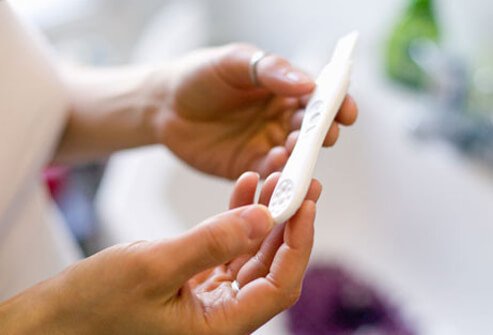
How Home Pregnancy Tests Work :- Home urine pregnancy tests can often tell if you’re pregnant as early as five days before your expected period. These are based on detecting the “pregnancy hormone” or human chorionic gonadotropin (hCG) that is produced after implantation of a fertilized egg. If you test too early, you may get a false negative result, so you should repeat the test if you suspect you are pregnant. A blood test at the doctor’s office can provide even more accurate results.

Five Early Signs of Pregnancy:-

Five early signs of pregnancy include:

  1. a missed menstrual period,
  2. feeling easily tired,
  3. feeling nauseous in the morning or at other times,
  4. needing to urinate frequently, and
  5. tenderness and enlargement of the breasts.

Are you search for the Best fertility hospital in Indore? If yes so come at Care Womens Centre Indore,  because Care Womens Centre is one of the Best fertility hospitals and IVF centers in Indore. Where on Dr. Shweta Kaul Jha is one of the Best IVF Specialist in Indore, You can find all infertility treatments At Affordable Costs. We at Care Womens Centre Indore provide you best quality IVF treatment with a high success rate at affordable price. Our goal is to make your parenting dreams come true. Book an appointment today call now +918889016663 and more information  https://www.carewomenscentre.com/

Request an Appointment / General Inquiry :- https://www.carewomenscentre.com/appointment/request-call-back/

Please go through our social media :

like our page to now more about IVF

Facebook :-  https://www.facebook.com/CareWomensCentre/

Please do follow on Instagram

Instagram :- https://www.instagram.com/carewomenscentre/

To More Post:-  Endometriosis

Is There a Test to Diagnose Endometriosis?

Endometriosis cannot be diagnosed with certainty by symptoms and physical examination alone. The healthcare practitioner may consider other conditions such as infections or tumors. One condition that may have similar symptoms to endometriosis is interstitial cystitis, or chronic inflammation of the bladder. Direct visualization of the endometriosis implants, typically via laparoscopic surgery, provides the definitive diagnosis. In order to diagnose endometriosis, the following steps may be taken:

  • A biopsy of the suspected tissue may be accomplished by laparoscopy. During this procedure, a tiny camera is inserted through small incisions in the patient’s abdomen. Instruments are used to remove a small piece of tissue that is examined in the laboratory. More invasive surgery, called laparotomy, requires a larger surgical incision, and does not rely on the use of a surgical camera.
  • During surgery, samples of the suspected areas are taken and evaluated by a pathologist. Microscopic examination of tissue samples taken during surgery may reveal endometrial cells in areas outside of the uterus.

Once a diagnosis of endometriosis has been made, the woman and her healthcare practitioner will discuss treatment options.

Is There Surgery to Treat Endometriosis?

  • If treatment with medications does not work or is not appropriate for a woman, surgery can be considered if she has severe pain or severe damage to the pelvic structures.
  • Laparoscopic surgery (a minimally invasive, camera-guided surgical procedure) may be used in an attempt to remove all endometrial tissue outside of the uterus. This removal is often performed during the surgery when endometriosis is diagnosed.
  • Surgery to remove the uterus and ovaries, called a hysterectomy, is considered for women who fail medical therapy and no longer wish to have additional children.
  • Although surgery can be very effective, endometriosis may recur following surgery. Some studies have shown the recurrence rate of endometriosis following surgical treatment to be as high as 40%.
  • Most women find relief from symptoms once menopause is complete and when the levels of hormones responsible for promoting this disease diminish.

The only IVF center in Care Womens Center Indore, which successfully treats infertility at very low cost. We treat IVF IUI, ICSI, Embryo Donor, Embryo Freezing and Infertility. Dr Shweta Kaul Jha at Care Womens Center is the best IVF specialist in Indore, who has been providing services at Care Womens Center for many years. If you are suffering from infertility and are looking for the best fertility center in Indore for successful IVF, then you should visit Care Womens Center. Visit for more information https://www.carewomenscentre.com/ and call us now 8889016663.

Request an Appointment / General Inquiry :-https://www.carewomenscentre.com/appointment/

Please go through our social media :

like our page to now more about IVF

Facebook :- https://www.facebook.com/CareWomensCentre/

Please do follow on Instagram

Instagram :-https://www.instagram.com/carewomenscentre/

To More Post:- Facts on and Definition of In Vitro Fertilization

Facts on and Definition of In Vitro Fertilization

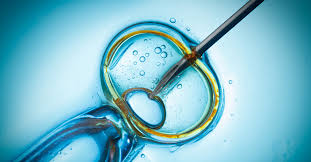
In Vitro Fertilization or IVF, is a method of assisted reproduction in which a man’s sperm and the woman’s egg are combined in a laboratory dish, where fertilization occurs. The resulting embryo or embryos is/are then transferred to the woman’s uterus (womb) to implant and develop naturally. Usually, two to four embryos are placed in the woman’s uterus at one time. Each attempt is called a cycle.

There are two types of infertility, primary and secondary.

  • Primary infertility is the inability of a couple to become pregnant (regardless of the cause) after one year of unprotected sexual intercourse using no birth control methods. While secondary infertility refers to a couple who cannot conceive a pregnancy when they have previously conceived together.
  • Secondary infertility affects about 6.1 million people in the United States, representing about 10% of men and women of reproductive age. Assisted reproductive technologies (ARTs) are techniques to help a woman become pregnant, including in vitro fertilization (IVF), intracytoplasmic sperm injection (ICSI), and other similar procedures.

IVF was used successfully for the first time in the United States in 1981. More than 4 million babies have been born worldwide as a result of using in vitro fertilization techniques. IVF offers infertile couples a chance to have a child who is biologically related to them. In 2015, more than 1.6% of infants born in the US are a result of a pregnancy conceived by assisted reproductive technologies.

Only a small percentage of infertile couples actually use IVF. IVF is usually the treatment of choice for a woman with blocked, severely damaged, or no Fallopian tubes. IVF is also used to overcome infertility caused by endometriosis or problems with the sperm (such as low sperm count). Couples who simply can’t conceive and have tried other infertility methods (such as intrauterine insemination) that have not worked for them can also try IVF.

Care Womens Centre is a one of the Best fertility hospitals  and  IVF centers in Indore. We provide the high level IVF, IUI, ICSI, and infertility treatment in Indore at affordable price. Book an appointment today call now 8889016663 and visit https://www.carewomenscentre.com/ for more information.

Online Book an appointment  today :-https://www.carewomenscentre.com/appointment/

Please go through our social media :

like our page to now more about IVF

Facebook :- https://www.facebook.com/CareWomensCentre/

Please do follow on Instagram

Instagram :-https://www.instagram.com/carewomenscentre/

To More Post:-Endometriosis

Endometriosis

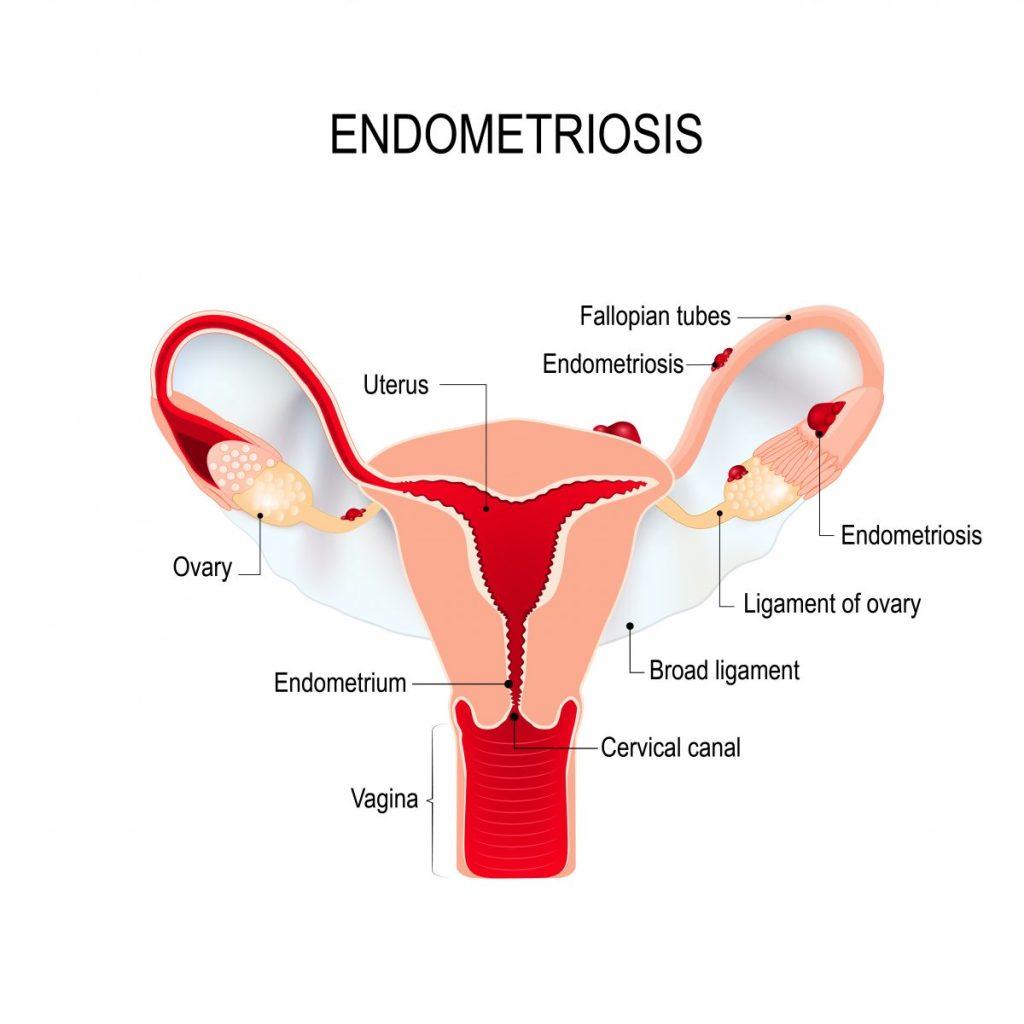
It’s is a painful condition, in which endometrial tissue grow outside the uterus other in pelvic area.

On other hand, we can also say that growing of ovaries ,fallopian tube and other tissue in pelvic region is called endometriosis.

Endometrial tissue consists of gland, blood cells, and connective tissue.

It normally grows in the uterus, to prepare the lining of the womb for ovulation 

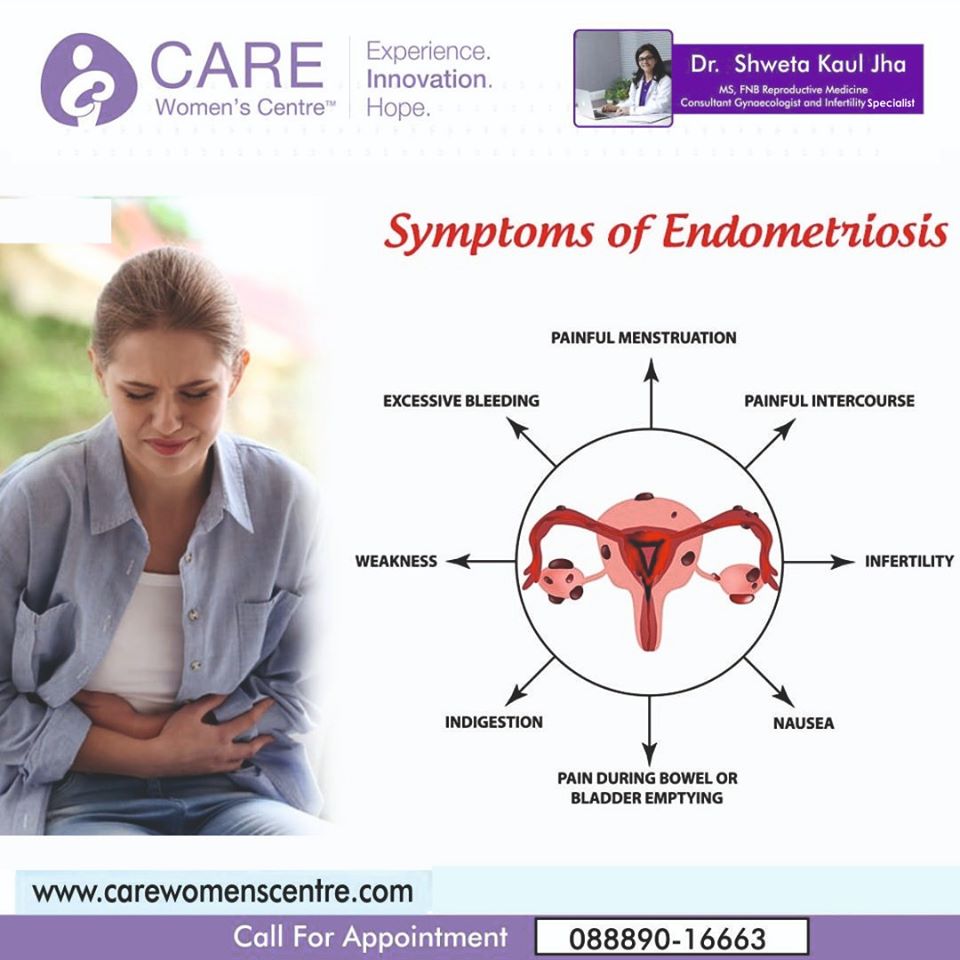
Symptoms – 

Pain areas: in the lower abdomen, lower back, pelvis, rectum, or vagina 

Pain circumstances: can occur during sexual intercourse or while defecating

Menstrual: abnormal menstruation, heavy menstruation, irregular menstruation, painful menstruation, or spotting

Gastrointestinal: constipation or nausea 

Abdominal: abdominal fullness or cramping 

Also common:infertility

Infertility:-

It means not being able to become pregnant after a year of trying. If a woman can get pregnant but keeps having miscarriages, that’s also called infertility.. After one year of having unprotected sex, many of couples are unable to get pregnant.

There are certain stages of endometriosis, they are as following:-

  • Stage 1 or minimal: There a few small implants or small wounds or lesions. …
  • Stage 2 or mild: There are more implants than in stage 1. …
  • Stage 3 or moderate: There are many deep implants. …
  • Stage 4 or severe: This is the most widespread..

Treatment for endometriosis is certain harmonal surgery which are done under doctor prescription.

Care Womens Centre is a one of the Best infertility treatment hospitals and IVF centers in Indore. We Provide the world class infertility treatment in Indore at very affordable price. If you are looking for the Best centre for IVF in Indore so contact  Care Womens Centre Indore. Book an appointment call now 8889016663 and visit https://www.carewomenscentre.com/ for more information.

Online Book an appointment  today :- https://www.carewomenscentre.com/appointment/

Please go through our social media :

like our page to now more about IVF

Facebook :-  https://www.facebook.com/CareWomensCentre/

Please do follow on Instagram

Instagram :- https://www.instagram.com/carewomenscentre/

To More Post:-  Tracking Birth Defects After Fertility Treatments

Tracking Birth Defects After Fertility Treatments

The study, which is published in the New England Journal of Medicine, is one of the largest to ever look at the relationship between fertility treatments and birth defects.

It linked 16 years of data — from 1986 to 2002 — on all infertility treatments at two clinics in South Australia to a registry of more than 300,000 births and 18,000 birth defects.

Researcher Michael Davies, PhD, MPH, an associate professor at the University of Adelaide in Australia, declined to mention specific types of defects, saying they are looking more deeply into that in his forthcoming research.

Overall, the study found that the risk of any birth defect in pregnancies involving assisted conception was 8% compared with 6% in babies conceived without?assisted techniques.

The risk of a birth defect after IVF was 7%. The rate of birth defects associated with ICSI was higher at 10%.

For IVF, doctors mix a woman’s eggs and the male’s sperm in a petri dish and later implant these into the female. In ICSI, doctors inject a single sperm directly into an egg to fertilize it. Resulting embryos are then placed into a woman’s uterus or can be frozen for future attempts.

One important point: When the doctors adjusted their data to account for a host of medical conditions and circumstances that are known to raise the risk of birth defects, like the mother’s age and a history of smoking, the increased risks associated with IVF largely went away — suggesting that the procedure itself was not to blame.

Birth defects associated with ICSI, however, remained 55% higher than the rates seen in fertile couples even after researchers took into account underlying factors associated with birth defects.
Despite the apparent increased risk, “people getting ICSI shouldn’t be immediately alarmed,” says Davies.

“The [newest] data in the study are now 10 years old, and in that time, there have been dramatic improvements in implantation rates in ICSI, which I take to mean that embryo quality has improved over that time. So it could be that we’re looking at a historical snapshot and technology has overtaken it somewhat,” he says.

Care Womens Centre is a leading one of the best Test tube baby center in Indore. We provide the best IVF, IUI, ICSI and infertility treatment in indore at affordable price. Book an appointment call now 8889016663 and visit https://www.carewomenscentre.com/ for more information.

Online Book an appointment Today :-  https://www.carewomenscentre.com/appointment/

Please go through our social media :

like our page to now more about IVF

Facebook :-https://www.facebook.com/CareWomensCentre/

Please do follow on Instagram
Instagram :-https://www.instagram.com/carewomenscentre/

To More Post:-What should I eat during IVF treatment?

What should I eat during IVF treatment?

  • This is a very crucial period for women after embryo transfer and the fruits, foods or diet she takes will decide whether your IVF treatment will be successful or not. According to estimate about 1 in 8 women have trouble in getting pregnant. If you are ready to start or add new member in a family and you have tried all other fertility options but failed then IVF will be your best option to have biological baby. With the help of the modern technologies now it is possible to be fertilized and give birth to biological baby.

And here we will be discussing on foods and beverages to eat for a woman who went through IVF treatment.

  • Weeks wait for results after embryo transfer: – Embryo transfer is a process to transfer embryofrom lab to women uterus then we have to wait for 2 weeks to take blood test to see if IVF cycle was successful. Success means pregnancy and failure means another IVF attempt. And success of the attempt is completely depends on your diets and other physical exercises activities. So it is recommended that you have to stick on consulted guideline from your fertility doctor.
  • Ideal foods and beverages during IVF and embryo transfer: – After IVF treatment, you should focus on eating healthy and balanced foods and avoid eating heavy weight foods and vegetables. Some of the foods and vegetables are listed below to eat after embryo transfer.
  1. Leafy greens
  2. Banana
  3. Nuts
  4. Broccoli
  5. Berries
  6. Salmon
  7. Seeds
  8. Yogurt
  9. Anchovies
  10. Hummus
  11. Sardines
  12. Sprouts
  13. Oats
  14. Sweet Potatoes
  15. Low Fats Dairy Products
  16. Legumes
  17. Fresh Fruits and Vegetables
  18. Fish
  • Foods and Beverages You Should avoid: – During IVF treatment or after embryo transfer process, you should avoid eating below foods as these will affect success rate of IVF treatment and your pregnancy. Hence, it is advised to not eat/drink/smoke un-healthy foods  and ingredients. 
  1. High Mercury Content
  2. Alcohol
  3. Soft Cheeses
  4. Sodas
  5. Smoking
  6. Junk Foods,
  7. Trans Fats  (unsaturated fat)

Try to stick with whole foods and ingredients rather than processed foods with lots of sweeteners, colours, and ingredients.When possible, consult with your fertility specialist for diets and other relevant measures. It would be added advantage if you will focus on relaxation because it will reduce stress and improve chances of pregnancy.

Conclusion: – If fertility problems arise, intervention can be attempted from simple fertility awareness methods to more advanced methods associated with the in vitro fertilization and these interventions are scientifically innovative. This is very important to focus more on eating healthy foods and beverages as mentioned above and time to time do relaxation activities like meditation, exercises, rest, etc. to avoid failure of IVF treatment and also ask for consultation with your fertility specialist.
You can also read about,

1. What is IVF treatment and how does it work?

2. How long does it take to get pregnant with IVF?

3. Is (the) IVF procedure painful?

Care Womens Centre is one of the Best fertility hospitals and IVF centres in Indore. We provides IVF, IUI, ICSI, Egg / Sperm / Embryo Donor, Cryopreservation / Sperm / Embryo Freezing  affordable price. Dr Shweta Kaul Jha is one of the leading IVF specialists in Indore at Care Womens Centre. Book an appointment call now 8889016663 and visit https://www.carewomenscentre.com/ for more information.

Online Book an appointment Today :-https://www.carewomenscentre.com/appointment/

Please go through our social media :
like our page to no more about ivf

Facebook :- https://www.facebook.com/CareWomensCentre/

Please do follow on Instagram

Instagram :-https://www.instagram.com/carewomenscentre/

To More Post:- How ICSI can help in infertility?

How ICSI can help in infertility?

Intracytoplasmic Sperm Injection (ICSI):

Intracytoplasmic sperm injection (ICSI) is very analogous to conservative IVF in that gametes (eggs and sperm) are together from each partner. The dissimilarity between the two procedures is the process of achieving fertilization. The head of the sperm must connect to the outside of the egg before a man’s sperm can fertilize a woman’s egg. Once it is attached, the sperm pushes through the external layer to the within the egg (cytoplasm), where fertilization takes place. 

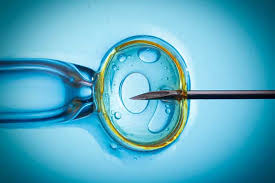
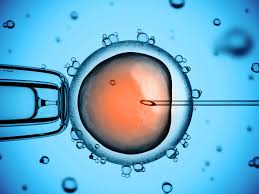
In some cases sperm cannot penetrate the outer layer such as the egg’s external layer may be broad or solid to go through or the sperm may be incapable to swim. In these cases, a process called intracytoplasmic sperm injection (ICSI) can be made along with in vitro fertilization (IVF) to assist fertilize the egg. During ICSI, a single sperm is infused unswervingly into the cytoplasm of the egg.

How does ICSI work?

By Vitro fertilization (IVF), an egg may be fertilized in two ways such as traditional and ICSI. In traditional IVF, 50,000 or more swimming sperm are located close to the egg in a laboratory dish. Fertilization happens when one of the sperm enters into the cytoplasm of the egg. In the ICSI process, a petite needle, called a micropipette, is used to insert a single sperm into the midpoint of the egg. Either through traditional IVF or ICSI method, once fertilization occurs, the fertilized egg grows in a laboratory for some days before it is transferred to the woman’s uterus (womb).

Why would I need ICSI?

Intracytoplasmic sperm injection (ICSI) helps to conquer fertility tribulations, such as:

  • The male partner constructs little sperm to do non-natural insemination.
  • Sperm cannot stir in a normal way.
  • The sperm may have a problem attaching to the egg.
  • In vitro developed eggs are being used.
  • Formerly frozen eggs are being used.

Troubles Occur During or after the ICSI process:

Intracytoplasmic sperm injection (ICSI) fertilizes 50% to 80% of eggs. But the subsequent troubles may occur during or after this process such as a few or all of the eggs may be spoiled or the egg might not grow into an embryo even after it is inserted with sperm or the embryo may discontinue growing.

Conclusion

However some of the doctors consider that ICSI escorts to labor defects, but it may also result due to the intrinsic peril of abnormalities in parents undergoing this process. If any person is looking to endure the ICSI process one can consult with his/her doctor first. 

Care Womens Centre is the best fertility centre in Indore, also called test tube baby center. This center is the lowest cost IVF center in Indore. Care Womens Centre provides IVF, IUI, ICSI, Egg / Sperm / Embryo Donor, Cryopreservation / Sperm / Embryo Freezing, Laparoscopy & Hysteroscopic, Ultrasound Scan  and other services. Dr Shweta Kaul Jha is one of the leading IVF specialists in Indore at Care Womens Centre , providing a wide variety of infertility treatments as well as in vitro related procedures such as IVF-ICSI, genetic testing, preserving fertility in cancer patients, and many more. If you are search for the Best fertility hospital in Indore, contact to Care Womens Centre Indore. Book an appointment today 8889016663 and visit https://www.carewomenscentre.com/ for more information.

Online Book an appointment :- https://www.carewomenscentre.com/appointment/

Please go through our social media :

like our page to no more about ivf

Facebook :-https://www.facebook.com/CareWomensCentre/


Please do follow on Instagram

Instagram :-https://www.instagram.com/carewomenscentre/

To More Post:- Advantage and Disadvantage of ICSI

Advantage and Disadvantage of ICSI

As we know that, ICSI or Intracytoplasmic Sperm Injection is a form of IVF (in vitro fertilization) that is most frequently used in cases of tremendous male infertility, after oocyte conservation or after recurring breakdown with the conservative IVF attempts. In the case of usual IVF, numerous sperms are placed with an egg collectively. Contradiction to that, the Intracytoplasmic Sperm Injection process involves the embryologist taking a single sperm and injecting unswervingly into an egg.

Advantages of ICSI:

ICSI or Intracytoplasmic Sperm Injection is the fortunate thing to the couples who are not able to conceive naturally. 

There are many circumstances where the treatment is helpful.

  • In case, where a man expostulate does not hold sperm regardless of their production
  • ICSI aids couples getting pregnant in circumstances in the vein of low sperm count, the nonstandard form of sperm, poor motility of sperm, and physical obstruction.
  • If fertilization is not achieved by IVF (in vitro fertilization), ICSI is used in the next IVF cycle to improve the probability of fertilization. It also aids if you wish for pregnancy post-vasectomy.
  • At times frozen sperms do not emerge active or the eggs become hard by freezing. ICSI is a great alternative to defeat these complications.
  • In the case of Pre-implementation Genetic Diagnosis (PGD) with IVF, to hereditarily screen embryos, sperms that have not fertilized the egg also enclose the embryo. This can result in imprecise results of the Pre-implementation Genetic Diagnosis. ICSI ensures that non-participating sperms do not pressure the diagnosis.
  • If during IVF, eggs are retrieved from the ovaries and their last maturation stage is completed in the laboratory, ICSI significantly improves the rate of fertilization.

Disadvantages of ICSI:

Intracytoplasmic Sperm Injection is considered a low-risk treatment. Even though it is a superior process, it is also connected with some drawbacks and risks.

Embryo spoil: There are possibilities that an egg does not end up into a vigorous embryo after fertilization. Some eggs and embryos can get damaged throughout the process.

Pregnancy with multiples: If ICSI is used by the side of IVF, there will be a high chance of conceiving twins or triplets. Mothers pregnant with multiples often face difficulties in pregnancy and childbirth.
Birth imperfection: The chances of birth defects are somewhat higher in ICSI as compared to the usual pregnancy. Conversely, these issues are exceptional.

Conclusion:

If you have any problem/difficulty, then you should consult your doctor, whose experience in the field and matter will shed some light on the substance.

Care Womens Centre is a  leading one of the Best fertility hospitals and IVF centers in Indore. We provides IVF, IUI, ICSI and infertility treatment in Indore at very affordable cost. Care Womens Centre is famous all over the India for its work. Dr. Shweta Call Jha is the best IVF Specialist  in Indore at Care Womens Centre. If you are looking for the Best centre for IVF in Indore for a long time then contact Care Women’s Centre. Book an appointment call now 8889016663 and visit https://www.carewomenscentre.com/ for more information.

Online Book an appointment Today :-https://www.carewomenscentre.com/appointment/

Please go through our social media :

like our page to no more about ivf

Facebook :-https://www.facebook.com/CareWomensCentre/

Please do follow on Instagram

Instagram :-https://www.instagram.com/carewomenscentre/

To More Post:-  FACTORS AFFECTING MALE FERTILITY


FACTORS AFFECTING MALE FERTILITY

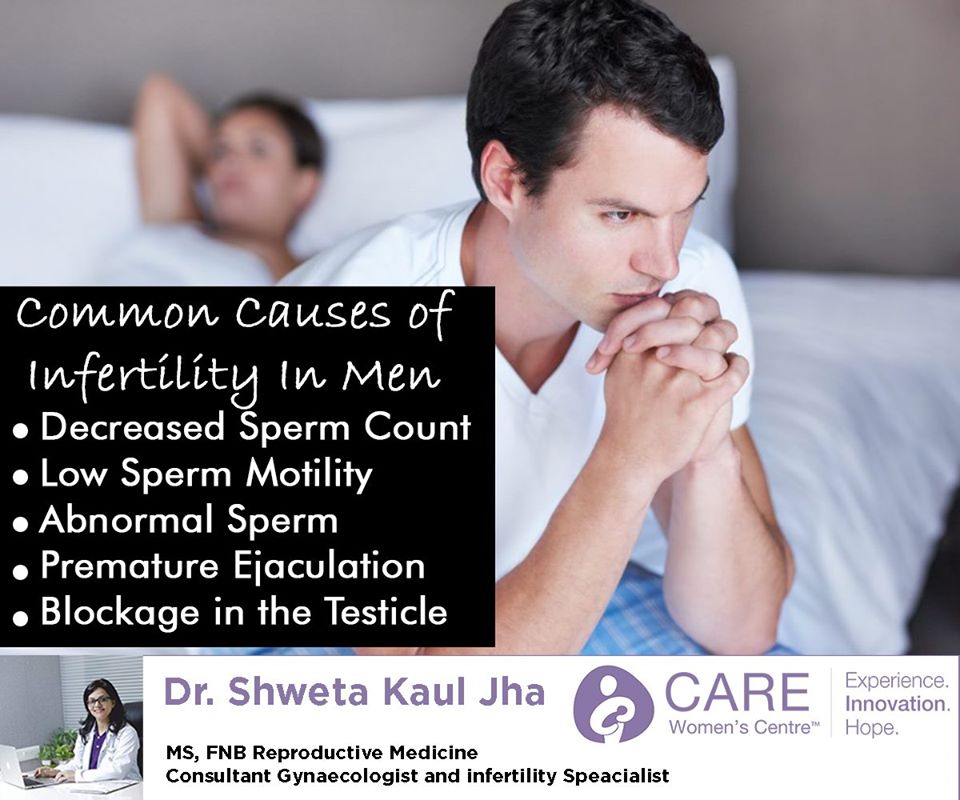
According to Indian Society of Assisted Reproduction, 10 to 14 percent of couples in India are not able to conceive a child naturally. Out of which 50 percent cases are due to Male Infertility. This is typically due to sexual abnormalities in male body. A man’s semen quality plays a vital role for conceiving a baby in female. There can be many reasons behind male infertility like low production of sperm, abnormal sperm function and certain blockages that cause hindrance in the delivery of sperm. There are 3 major properties of male sperm: –

  1. Sperm should be enough in count.
  2. Testicles should produce healthy sperm.
  3. Sperm should be motile enough.

Male Infertility can be irritating and stressful for many couples. There are certain factors that affect male fertility, let’s see them one by one: –

INDUSTRIAL CHEMICALS AND METALS

Prolonged exposure to chemicals like benzenes, toluene, pesticides, xylenes, herbicides, painting materials and organic solvents may lead to low sperm counts. Exposure to heavy metals like lead may also become reason for male infertility.


RADIATION TO X-RAYS

Does your work include exposing X-rays for longer times? Then you should be careful because it can have permanent negative effects on your semen quality and production.  

OVERHEATING OF THE TESTICALS

Elevated temperatures are responsible for heating testicles which may become responsible for sperm impairment. Though there’s no scientific research data to back up this argument. Sitting for longer duration, wearing tight clothes may also increase the heat in scrotum area and slightly reduce the sperm production

SMOKING OR CONSUMING TOBACCO

It has been observed that men who smoke or chew tobacco are reported to have a lower sperm count than those who don’t do any of those two. Inhaling secondhand smoke can also do the same fertility damage.

ALCOHOL CONSUMPTION

It’s time to put halt on your alcohol consumption, as it can lower your testosterone levels for a healthy sex life. High alcohol consumption can cause erectile dysfunction and lowers the sperm production in scrotum. Liver disease caused by binge drinking may also infertility problems in male.

DEPRESSION AND EMOTIONAL STRESS

Emotional Stress releases cortisol hormone in the body which interferes with sexual processes causing low libido and sperm count. If you’re suffering from depression, you might experience low sexual energy and delayed or premature ejaculation.  

OVERWEIGHT OF THE BODY

Obesity can affect the quality of sperm by impacting the sperm count. Therefore, it becomes super important to keep body fit, active and in-shape.

OVERDOING DRUG ABUSE

Anabolic steroids are taken by body building athletes to increase muscle strength and growth. These same drugs later-on become responsible for shrinking of the testicles which leads to decline in sperm production. Use of recreational drugs like marijuana or cocaine also temporarily reduce the number and quality of sperm. 

These were some factors that affect the male fertility. All of these can be avoided by taking preventions, avoiding addictive substances and eating healthy diet.

If you’re a couple facing fertility issues, then contact Care Womens Centre. It’s the best IVF center in Indore with an experienced faculty.

Care Womens Centre is a leading  one of the best IVF centers and Best fertility hospitals in Indore. Which is also known as Test Tube Baby Center in Indore who provides high success rate infertility treatment in indore at affordable cost. its famous Best centre for IVF in Indore. If you are looking for the best low IVF treatment cost hospital in Indore, contaect to Care Womens Centre. Book an appointment call now 8889016663 and visit https://www.carewomenscentre.com/ for more information.


Online Book an appointment Today :- 
https://www.carewomenscentre.com/appointment/

Please go through our social media :

like our page to no more about ivf

Facebook :  https://www.facebook.com/CareWomensCentre/


Please do follow on Instagram

Instagram : https://www.instagram.com/carewomenscentre/

To More Post:-  Facts about and Medical Definition of Endometriosis