How can I increase the chances of healthy pregnancy?

Well as we all know pregnancy is the time during which one or more offspring develops inside a woman. Pregnancy can occur by sexual intercourse or assisted reproductive technology. But everything isn’t that simple. A pregnancy may end in a live birth or unfortunate miscarriage.

So how can we increase the chances of having healthy pregnancy?

Well there are lots of ways to increase the chances of healthy pregnancy –

1.  A pregnant lady must visit doctor on regularly basis and must get the scheduled diagnosis done including the sonography and regular blood sugar level.

2.  Folic acid and iron tablets play a big part during pregnancy period so the pregnant lady should take 400 micrograms folic acid every day.

3. The most important thing comes before you get pregnant . You must properly vaccinated for some diseases like chicken pox  and rubella. Because that could harm an unborn baby.

4. Eat healthy foods –

When a mother get pregnant  she  need healthy foods for herself and unborn baby.  The healthy food help her to keep her energy up during the period of pregnancy. She must reduce the intake of caffeine and the food that may lead to obesity as it may hinder her healthy pregnancy. 

5. Must quite smoking and alcohol habits –

Prenatal consumption of both of these may result in abrupt cessation of pregnancy that is Infant Death , developmental disorders affecting the brain of growing foetus and resulting in poor auditory capability,  learning disabilities , speech disturbances. As the alcohol reach out to foetus through placenta it results in diabetic new-born or preterm baby..

6. Take vitamins tablets –

Vitamins play vital role during the period of pregnancy. As we know in days of pregnancy mother’s body consume more energy than normal days. for providing more energy to mother and unborn baby , the body use vitamins and minerals more then usual .

7. IVF

At times when natural fertilization fails to occur, in vitro fertilization comes as a boon to the woman who want to conceive. When father’s/ donor’s sperm is fertilized with mother’s ova outside the body in a lab and then the zygote is transferred to female’s uterus. This is a way secured method to ensure a healthy pregnancy in complicated cases.

8. Yoga And Exercise 

Yoga keep the charge of woman’s mental health and thus ensuring she does not suffer from partum anxiety and prepares her mind to accept the changes her body faces during the pregnancy. On the other hand  the exercise done underguidance helps her to achieve a healthy pregnancy. But the woman must not do heavy work or heavy exercises. 

9. Another important aspect to keep in mind is to not take medications without prescription, many medicines have a teratogenic effect over the new-born and thus every medicine a pregnant woman take must be confirmed by her doctor.

Pregnancy is one of the most beautiful phase of a woman’s life thus the women herself along with her family and the environment affects her pregnancy. 

Care Womens Centre is the best Fertility centre in Indore and provide the affordable IVF cost in Indore. Book an appointment today call now 8889016663 for more information.

General Inquiry:- https://www.carewomenscentre.com/appointment/request-call-back/


Please go through our social media :

like our page to now more about IVF

Facebook :-  https://www.facebook.com/CareWomensCentre/

Please do follow on Instagram

Instagram :- https://www.instagram.com/carewomenscentre/

To More Post:- Infertility

Infertility

The inability of a person, animal or plant to reproduce by natural means. It is usually not the natural state of a healthy adult, except notably among certain Eusocial species.

Introduction :- Infertility means not being able to become pregnant after a year of trying. If a woman can get pregnant but keeps having miscarriage or stillbirth, that’s also called infertility.

Infertility is fairly common. After one year of having unprotected sex, about 15 percent of couples are unable to get pregnant. About a third of the time, infertility can be traced to the woman. In another third of cases, it is because of the man. The rest of the time, it is because of both partners or no cause can be found.

There are treatments that are specifically for men or for women. Some involve both partners. Happily, many couples treated for infertility go on to have babies.

Chance for getting pregnant

Have regular intercourse several times around the time of ovulation for the highest pregnancy rate. Intercourse beginning at least five days before and until a day after ovulation improves your chances of getting pregnant. Ovulation usually occurs in the middle of the cycle — halfway between menstrual periods — for most women with menstrual cycles about 28 days apart.

  • Avoid alcohol and smoking can help you to conceive pregnancy.
  • Limited caffeine
  • Avoid lifting heavy weight
  • Exercise daily

There are 2 types of infertility:

  • Primary infertility refers to couples who have not become pregnant after at least 1 year having sex without using birth control methods.
  • Secondary infertility refers to couples who have been able to get pregnant at least once, but now are unable.

Female infertility may occur when:

  • A fertilized egg or embryo does not survive once it attaches to the lining of the womb (uterus).
  • The fertilized egg does not attach to the lining of the uterus.
  • The eggs cannot move from the ovaries to the womb.
  • The ovaries have problems producing eggs.

Male infertility may be due to:

  • Decreased number of sperm
  • Blockage that prevents the sperm from being released
  • Defects in the sperm

Care Womens Centre is the Best centre for IVF in Indore. Dr. Shweta Kaul Jha is very experience doctor for infertility treatment in Care Womens Centre. If are you searching the best  IVFspecialist in Indore for IVF treatment, visit in Care Womens Centre. Book an appointment today call now 8889016663 for more information.

General Inquiry:- https://www.carewomenscentre.com/appointment/request-call-back/

Please go through our social media :

like our page to now more about IVF

Facebook :-  https://www.facebook.com/CareWomensCentre/

Please do follow on Instagram

Instagram :- https://www.instagram.com/carewomenscentre/

To More Post:- Side effects of embryo freezing

Side effects of embryo freezing

Any complications or side effects of embryo freezing usually occur when the doctor is extracting the eggs.
Common side effects of extraction tend to be mild and temporary.
They include:

  • cramping or bloating
  • feeling full
  • bleeding
  • changes in vaginal discharge
  • infection
  • overstimulation of the ovaries

How long can embryos stay frozen?

In theory, a correctly frozen embryo can remain viable for any length of time.

The embryos remain in sealed containers at temperatures of -321ºF. At this temperature, almost no biological processes, such as aging, can occur.

There are examples of successful pregnancies resulting from eggs that people have stored for up to 10 years. No long-term research into embryo freezing exists because doctors have only been carrying out the procedure since 1983.

Some countries regulate the length of time that a person can store their embryos. Freezing and storage are expensive, and each clinic has its own rules about what happens if a person can no longer use their embryos or keep them frozen.

Frozen or fresh embryos?

A study published in the International Journal of Reproductive Biomedicine looked at the results of over 1,000 instances of embryo transfer involving either fresh or frozen embryos.

The researchers found no statistical difference between the types of embryos, in terms of pregnancy rates or fetal health. The authors pointed out that people could use frozen, but not fresh, embryos for additional transfers in the future.
Other studies suggest that transferring frozen embryos may be more effective.

Results of research published in 2014 indicate that frozen embryo transfer might lead to a higher rate of pregnancy and better outcomes for both the woman and baby.

Who can benefit?

Embryo freezing may be a better option for certain groups, such as:

  • people with genetic disorders that affect reproduction
  • people who will soon undergo chemotherapy
  • people who take medications that affect fertility
  • same-sex couples and other LGBTQ+ people who wish to have children
  • Some hospitals offer services specifically for the LGBTQ+ community.

People who are approaching an advanced reproductive age and who are not yet ready to have children may also benefit from freezing embryos for later use.

Freeze-all cycles

In a freeze-all cycle, a doctor extracts an embryo, freezes it, and stores it.

People may benefit from this process if they have a higher risk of ovarian stimulation syndrome. This is a rare and potentially dangerous condition that can arise when a person is receiving stimulating hormones to increase egg production.

To reduce the risk of this condition, a doctor may recommend freezing the embryo and transferring it when the ovaries are no longer stimulated.

A doctor can also use a freeze-all cycle to test an embryo for a genetic disorder. This involves removing a few strands of DNA and testing the chromosomes.

Embryos with a standard set of chromosomes are more likely to transfer successfully. Prescreening can ensure that future offspring have a lower chance of developing genetic diseases.

Outlook

Embryo freezing is relatively safe and often leads to a successful pregnancy and delivery.

Possible risks include a slightly higher chance of genetic abnormalities in the child. It is important to note that, because this is a new procedure, the long-term health effects are not yet clear.

Also, women who become pregnant at a later age have a higher risk of complications.

In addition, fertility treatment can lead to ovarian hyperstimulation syndrome. In fewer than 2 percent of cases, symptoms are severe, but they are unlikely to be life-threatening.

Finally, treatment can be costly. However, it offers a wider range of options for people who wish or need to delay pregnancy, or who may otherwise be unable to conceive.


We provide the world class IVF treatment in Indore at very affordable price. If are you searching the best IVF center in Indore for infertility treatment with low cost, Visit at Care Womens Centre. Book an appointment today call now 8889016663 for more information.

General Inquiry:- https://www.carewomenscentre.com/appointment/request-call-back/

Please go through our social media :

like our page to now more about IVF

like our page to now more about IVF

Please do follow on Instagram

Instagram :- https://www.instagram.com/carewomenscentre/

Instagram :- https://www.instagram.com/carewomenscentre/

Embryo freezing: What you need to know

Embryo freezing is a procedure that allows people to store embryos for later use. A person can also freeze eggs, which are not fertilized. An embryo forms after fertilization and after the cells start to divide.

The first successful pregnancy resulting from freezing a healthy embryo took place in the 1980s. Since then, many people have frozen embryos and used them later.

A person may decide to store an embryo if they hope to become pregnant in the future, to donate to others, for medical research, or for training purposes.

The process begins by using hormones and other medications to stimulate the production of potentially fertile eggs. A doctor then extracts the eggs from the ovaries, either for fertilizing in a lab or for freezing.

Successful fertilization may lead to at least one healthy embryo. A doctor can then transfer the embryo to the womb, or uterus. If the treatment is successful, the embryo will develop
Fertilization often results in more than one embryo, and the doctor can freeze and preserve the remaining embryos.

What is an embryo, and how do people create one?

According to an article published in the journal Human Reproduction, the medical community uses the term embryo from the moment that cells divide after fertilization until the eighth week of pregnancy.

Before freezing can take place, people need to create suitable embryos. To do so in the laboratory, doctors must harvest and fertilize some eggs.

First, the person will take hormones to make sure that ovulation happens on schedule. They will then take fertility medications to increase the number of eggs that they produce.

In the hospital, a doctor will extract the eggs, using an ultrasound machine to ensure accuracy.

A person may wish to freeze their eggs. Or, they may wish to use them at once to become pregnant. In this case, the doctor may recommend in vitro fertilization (IVF) or intracytoplasmic sperm injection (ICSI).

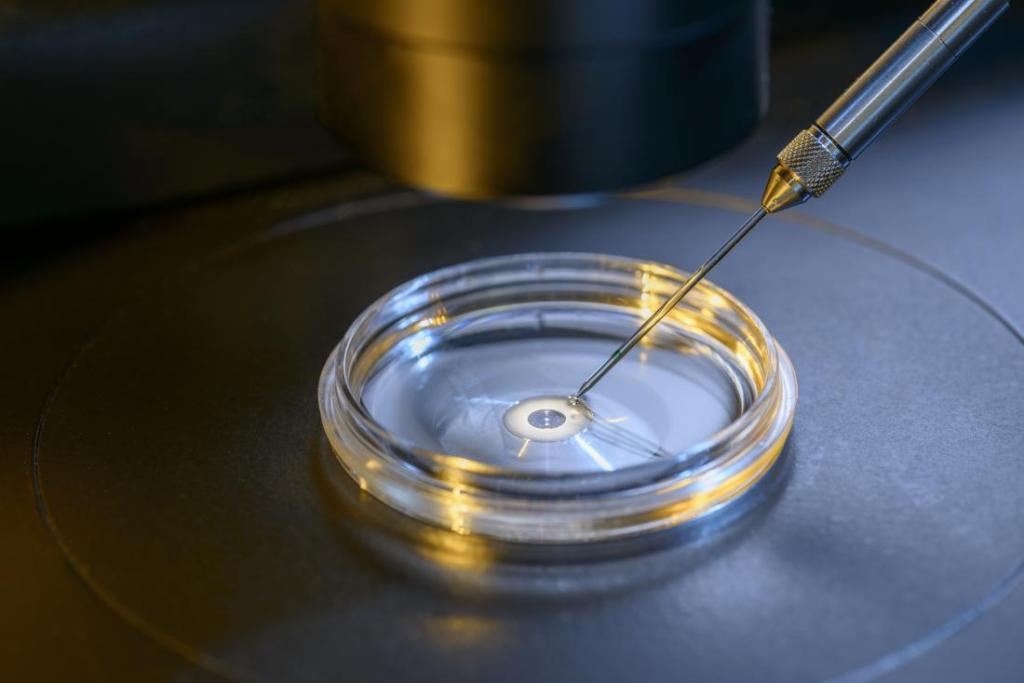
During IVF, the doctor exposes the eggs to sperm and leaves them in a laboratory for fertilization to take place. After this, the correct term for a fertilized egg is an embryo.

An embryologist will monitor the development of the embryos over the next 6 days, after which they may choose a suitable embryo for implantation.

During ICSI, the doctor extracts the eggs and injects a single sperm directly into an egg.

They may do this if there is a problem with the sperm or if past attempts at IVF have not resulted in fertilization. The doctor may use one embryo and freeze the others.

How do people freeze embryos?

The main aim of freezing embryos is to preserve them for later use.

The biggest challenge is the water within the cells. When this water freezes, crystals can form and burst the cell.

Cryopreservation

To prevent this from happening, the doctor uses a process called cryopreservation. It involves replacing the water in the cell with a substance called a cryoprotectant.

The doctor then leaves the embryos to incubate in increasing levels of cryoprotectant before freezing them.

After removing most of the water, the doctor cools the embryo to its preservation state. They then use one of two freezing methods:

Slow freezing: This involves placing the embryos in sealed tubes, then slowly lowering their temperature. It prevents the embryo’s cells from aging and reduces the risk of damage. However, slow freezing is time-consuming, and it requires expensive machinery.

Vitrification: In this process, the doctor freezes the cryoprotected embryos so quickly that the water molecules do not have time to form ice crystals. This helps protect the embryos and increases their rate of survival during thawing.

After the process of freezing is complete, the doctor stores the embryos in liquid nitrogen.

Success rates of thawing frozen embryos

The process of thawing an embryo after cryopreservation has a relatively high success rate, and research suggests that women who use thawed embryos have good chances of delivering healthy babies.

According to a comparative study and review published in 2016, babies born after cryopreservation showed no increase in developmental abnormalities. However, the medical community still requires more long-term follow-up studies.

Some research indicates that, compared with slow freezing, vitrification increases an embryo’s chance of survival, both at the freezing stage and during thawing.

Care Womens Centre is one of the Best fertility hospitals in Indore. We have been providing the best infertility treatment in  indore for many years. If you are looking for the best centre for IVF in Indore, then you should visit Care Womens Centre,  Indore. Book an  appointment today call now 8889016663 for more  information.

Request an Appointment / General Inquiry:- https://www.carewomenscentre.com/appointment/request-call-back/

Please go through our social media :

like our page to now more about IVF

Facebook :- https://www.facebook.com/CareWomensCentre/

Please do follow on Instagram

Instagram :- https://www.instagram.com/carewomenscentre/

To More Post:- Everything You Need to Know About Infertility

Everything You Need to Know About Infertility

Definition of infertility

A diagnosis of infertility means you haven’t been able to get pregnant after a year of trying. If you’re a woman over 35, it means you haven’t been able to get pregnant after 6 months of trying.

Women who are able to conceive but not carry a pregnancy to term may also be diagnosed with infertility.

A woman who’s never been able to get pregnant will be diagnosed with primary infertility. A woman who’s had at least one successful pregnancy in the past will be diagnosed with secondary infertility.

Infertility isn’t just a woman’s problem. Men can be infertile too. In fact, men and women are equally likely to have fertility problems.

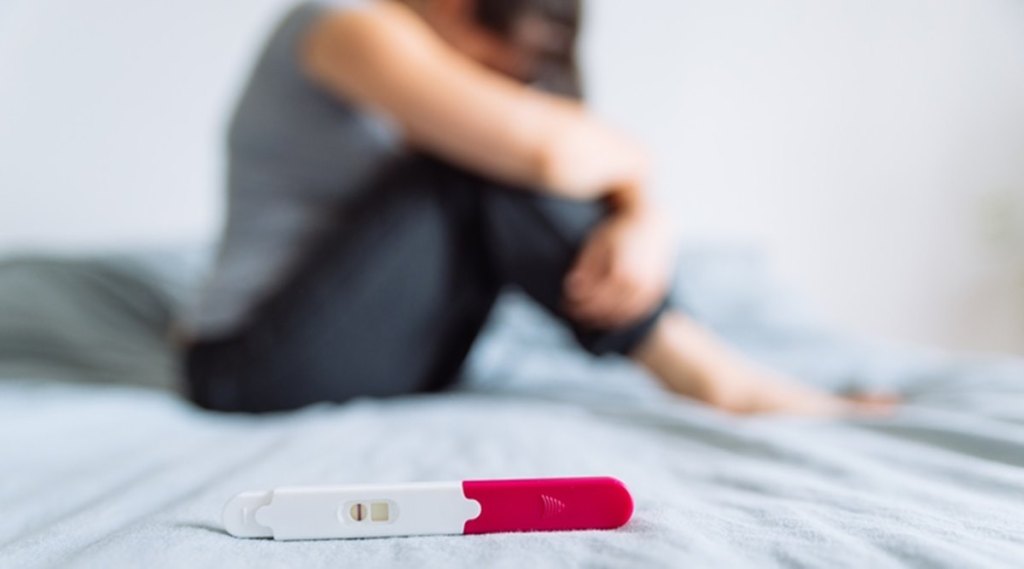
negative pregnancy test. sad woman on background

According to the Office on Women’s HealthTrusted Source, about one-third of infertility cases can be attributed to female infertility while men’s problems account for another third of infertility cases.

The remaining third of cases may be caused by a combination of male and female infertility, or they may have no known cause.

Causes of male infertility

Generally speaking, infertility in men is related to issues with the following:

  • effective production of sperm
  • sperm count, or the number of sperm
  • shape of the sperm
  • movement of the sperm, which includes both the wiggling motion of the sperm themselves and the transport of the sperm through the tubes of the male reproductive system

There are a variety of risk factors, medical conditions, and medications that can also affect fertility.

Risk factors

Risk factors associated with infertility in men include, but aren’t limited to:

  • older age
  • smoking cigarettes
  • heavy use of alcohol
  • being overweight or obese
  • exposure to toxins, such as pesticides, herbicides, and heavy metals

Medical conditions

Some examples of medical conditions that can cause male infertility include:

  • retrograde ejaculation
  • varicocele, or the swelling of the veins around the testicles
  • testicles that haven’t descended into the scrotum
  • having antibodies that attack your sperm and destroy them
  • a hormonal imbalance, such as low testosterone production

Medications and drugs

Various medications and drugs can also affect male fertility, such as:

  • chemotherapy or radiation therapy, which are used for cancer
  • sulfasalazine (Azulfidine, Azulfidine EN-Tabs), which is used for rheumatoid arthritis (RA) or ulcerative colitis (UC)
  • calcium channel blockers, which are used for high blood pressure
  • tricyclic antidepressants
  • anabolic steroids, which are used for improved athletic performance or hormonal issues such as delayed puberty
  • recreational drugs such as marijuana and cocaine

Care Womens Centre is one of the best Fertility centres in Indore, If are you searching the best Infertility treatment Hospital in Indore for Infertility treatment, Visit at Care Womens Centre, Indore. Book an  appointment today call now 8889016663 for more information.

Request an Appointment / General Inquiry:- https://www.carewomenscentre.com/appointment/request-call-back/

Please go through our social media :

like our page to now more about IVF

Facebook :- https://www.facebook.com/CareWomensCentre/

Please do follow on Instagram

Instagram :-https://www.instagram.com/carewomenscentre/

To More Post:- Risks of delaying pregnancy until age 35 years or older

Risks of delaying pregnancy until age 35 years or older

Everyone is aware of the ticking of the biological clock, but does your 35th birthday represent a particularly special milestone in biology? Do you hit 35 and suddenly become “high risk” overnight?

Women are delivering healthy babies throughout their 30s and beyond. The age of 35 is simply an age that certain risks become more worthy of discussion.

While these risks become slightly more likely after hitting 35 years old, this does not mean that they will have a significant impact on everyone in their mid-thirties and older.

Decline in fertility

Women are born with all the eggs they will ever have. As females age, the likelihood that they will get pregnant reduces due to the declining number of remaining eggs and their reduced quality.

Fertility also declines in men with age due to declining sperm counts, motility, and semen volume. These age-related factors combined can make it more difficult for women to become pregnant.

One study, published in The New England Journal of Medicine, found that among women who received artificial insemination, 74 percent of those under 31 years old were pregnant within a year. However, this decreased to 61 percent of individuals between the ages of 31 to 34, and it further declined to 54 percent of women aged 35 and over.

Genetic risks

Certain genetic risks present more often in pregnancy as women age. For example, the rate of having a baby with Down syndrome accelerates with maternal age.

While the rate of an embryo having Down syndrome at the 10-week mark of pregnancy is 1 in 1,064 at age 25, this rises to 1 in 686 at age 30 and 1 in 240 by the age of 35 years. At the age of 40, the Down syndrome rate increases still to 1 in 53, and down to 1 in 19 embryos at age 45.

A study published in Nature Communications set out to investigate why older mothers have a heightened risk of giving birth to children with congenital anomalies that are characterized by abnormal chromosome numbers.

Researchers from the Albert Einstein College of Medicine of Yeshiva University in New York learned that the genetic process of recombination could be responsible for the increased risk of conditions such as Down syndrome.

Recombination is the process in which pairs of chromosomes exchange genetic material before separating. The team found that in older mothers, the process of recombination may be less regulated, which may lead to abnormal chromosome numbers in sex cells or large chromosomal rearrangements.

Miscarriage

The risk of miscarriage climbs gradually with the mother’s age. Research published in the BMJ showed that risk of miscarriage is around 8.9 percent for women aged 20 to 24 years and increases to 74.7 percent for individuals aged 45 years or above. The declining quality of women’s eggs is thought to be responsible for the higher rates of miscarriage.

Stillbirth

Stillbirth is more likely in older women than younger women. A systematic review published in the Canadian Medical Association Journal found that stillbirth is around 1.2 to 2.23 times higher in older women.

Another study, examining data from 385,120 pregnancies in the United Kingdom, observed that the rate of stillbirth was 4.7 per 1,000 for women aged 18 to 34, 6.1 per 1,000 between the ages of 35 and 40 years, and 8.1 per 1,000 for women aged 40 and over.

Furthermore, the stillbirth rate has been shown to be higher in people having their first child and even higher in first-time moms aged 35 or older.

Women aged 35 years and older are often recommended to be induced as they approach their due date because of the increasing risk of stillbirth with gestational age. Around 1 in 1,000 women under 35 years old have a stillbirth during 39 and 40 weeks of gestation, compared with 1.4 in 1,000 women aged 35 to 39, and 2 in 1,000 women at age 40 and above.

The reasons that stillbirth rates increase with maternal age are currently unclear.

Other risks

Research comparing pregnancy complications among women aged 18 to 34 years, 35 to 40 years, and 40 and over, found small increases in most pregnancy- and birth-related complications with age.

The researchers identified increases in the risk of gestational diabetes, placenta previa, breech positioning of the baby, emergency cesarean delivery, postpartum hemorrhage, preterm birth, low birth weight, and high birth weight. Other research has found that risk of maternal mortality also increases with age.

Research presented at the American Stroke Association’s International Stroke Conference 2016 revealed that compared with women who go through pregnancy at a younger age, pregnant women aged 40 and older are at greater risk of ischemic stroke, hemorrhagic stroke, heart attack, and death from cardiovascular disease.

“We already knew that older women were more likely than younger women to experience health problems during their pregnancy,” said Dr. Adnan I. Qureshi, director of the Zeenat Qureshi Stroke Institute in St. Cloud, MN. “Now, we know that the consequences of that later pregnancy stretch years into the future.”

If you are suffering from infertility and are planning for Infertility treatment in Indore, then you should visit the Care Womens Centre, because Care Womens Centre one of the Best fertility hospitals in Indore. We have many years of experienced IVF Specialist doctors. We provide IVF, IUI, infertility, test tube baby and ICSI treatment in Indore at very affordable price. Indore. Book an appointment today call now 8889016663 and  for more information.

Request an Appointment / General Inquiry:- https://www.carewomenscentre.com/appointment/request-call-back/

Please go through our social media :

like our page to now more about IVF

Facebook :-https://www.facebook.com/CareWomensCentre/

Please do follow on Instagram

Instagram :-https://www.instagram.com/carewomenscentre/

To More Post:- Infertility and depression: Symptoms and coping
Infertility and depression: Symptoms and coping

How is infertility linked to depression?

While doctors have long understood that infertility is a medical problem, shame and secrecy remain prevalent among people with infertility. This can make it difficult to seek help from friends and family.

Not getting pregnant after trying for a prolonged period can be profoundly disappointing and frustrating, especially without support from loved ones.

Research from 2010 found that depression may prevent people from seeking treatment for infertility.

Though many people with fertility issues can have a child after treatment, such as in vitro fertilization (IVF), anxiety about whether the treatment will work can also undermine a person’s mental health.

Some of the reasons people with infertility struggle with depression include:

Stress. Infertility can be a stressful experience, particularly where there is a lot of pressure on someone to get pregnant.

Medical conditions. Several medical issues that can cause infertility, such as polycystic ovary syndrome (PCOS), may also increase the risk of depression. A 2010 study found higher rates of depression and anxiety in women with PCOS.

The emotional and physical challenges of treatment. A small 2014 trial of women seeking infertility treatment or fertility-preserving services found that their anxiety and depression worsened as treatment progressed.

Treatment side effects. Many fertility medications involve the use of hormones. Sometimes, these hormones can affect a person’s mood, increasing the risk of depression.

Anyone can experience depression because of infertility.

Symptoms

It is not unusual to feel sad or even depressed occasionally. However, when these feelings persist over time and affect a person’s quality of life, they may be experiencing depression.

A person may receive a diagnosis for depression when they have five or more of the following symptoms:

  • depressed mood for most of the day on most days
  • loss of interest in most activities, even those a person once enjoyed
  • weight loss or gain not due to deliberate dieting or a health condition
  • sleeping too much or too little
  • feeling physically agitated or slow most days
  • having low energy most days
  • feeling worthless, guilty, or ashamed
  • trouble thinking clearly or concentrating
  • frequent thoughts of death or suicide

For a doctor to diagnose depression, a person’s symptoms must not be due to medication or substance abuse. A doctor should also assess someone for other mental health conditions.

If another condition more accurately explains a person’s symptoms, then a doctor may diagnose them with that condition rather than depression.

When to see a doctor

People with infertility who experience depression should seek treatment for both conditions. Although infertility might be the cause of depression, it is essential to treat the mental health problems as well.

According to the Centers for Disease Control and Prevention (CDC), people unable to get pregnant after trying for 12 months or longer should consider talking to a doctor about infertility.

However, women over the age of 35 should see a doctor if they have been unable to get pregnant after 6 months of trying. Couples with a history of infertility, women with irregular periods, and people with chronic medical issues, such as diabetes, should see a doctor before they begin trying to get pregnant.

A family doctor may refer men to a urologist and women to a gynecologist. Sometimes, a doctor will refer someone to a reproductive endocrinologist or another infertility specialist.

If symptoms of depression make it difficult for a person to function at home, work, or school, or make seeking treatment for infertility seem impossible, they should get help.

The hopelessness of depression can make people think that treatment will not work. However, this may also be a symptom of depression. Treatment can and often does alleviate symptoms of depression and improve a person’s quality of life.

Care Womens Centre is provide the all infertility treatment in Indore at very affordable price. If  are you looking best IVF center in Indore for IVF treatment, so come in Care Womens Centre Indore. Book an appointment today call now 8889016663 for more information.

Request an Appointment / General Inquiry:- https://www.carewomenscentre.com/appointment/request-call-back/

Please go through our social media :

Please go through our social media :

Facebook :- https://www.facebook.com/CareWomensCentre/

Please do follow on Instagram

Instagram :- https://www.instagram.com/carewomenscentre/

To More Post:-IVF: What does it involve?

IVF: What does it involve?

Overview – In a normal pregnancy, a male sperm penetrates a woman’s egg and fertilizes it inside her body after ovulation, when a mature egg has been released from the ovaries.

The fertilized egg then attaches itself to the wall of the uterus, or womb, and begins developing into a baby. This is known as natural conception.

However, if natural or unassisted conception is not possible, fertility treatment is an option.

IVF has been used since the late 1970s. On 25 July 1978, the first “test-tube baby,” Louise Brown, was born. Robert Edwards and Patrick Steptoe, who collaborated on the procedure, are considered to be the pioneers of IVF.

In 2010, Robert Edwards received the 2010 Nobel Prize in Physiology or Medicine “for the development of in-vitro fertilization.”

In July 2013, an American couple had the first baby to be born through IVF as a result of next-generation DNA sequencing, a new way of screening embryos that improves IVF success rates and significantly reduces the cost of treatment.

DNA sequencing technology helps doctors screen embryos created by IVF to identify those most likely to lead to successful pregnancies..

Procedure

Techniques may differ depending on the clinic, but IVF usually involves the following steps:

1. Suppressing the natural menstrual cycle – The woman receives a drug, usually in the form of a daily injection for about 2 weeks, to suppress their natural menstrual cycle.

2 Super ovulation –  Fertility drugs containing the fertility hormone follicle stimulating hormone (FSH) are given to the woman. FSH makes the ovaries produce more eggs than usual. Vaginal ultrasound scans can monitor the process in the ovaries.

3. Retrieving the eggs – The eggs are collected through a minor surgical procedure known as “follicular aspiration.” A very thin needle is inserted through the vagina and into an ovary. The needle is which is connected to a suction device. This sucks the eggs out. This process is repeated for each ovary.

In 2011, researchers suggested that collecting 15 eggs from the ovaries in one cycle gives the highest chance of a successful pregnancy.

Frozen or donated eggs may also be used.

4. Insemination and fertilization – The eggs that have been collected are placed together with male sperm and kept in an environmentally controlled chamber. After a few hours, the sperm should enter the egg.

Sometimes the sperm is directly injected into the egg. This is known as an intracytoplasmic sperm injection (ICSI).

Frozen sperm, retrieved through testicular biopsy, may be used. This is believed to be as effective as fresh sperm in achieving a successful pregnancy.

The fertilized egg divides and becomes an embryo.

At this point, some centers offer pre-implantation genetic diagnosis (PGD) which can screen an embryo for genetic disorders. This is somewhat controversial and is not always used.

One or two of the best embryos are selected for transfer.

The woman is then given progesterone or human chorionic gonadotrophin (hCG) to help the lining of the womb receive the embryo.

5. Embryo transfer – Sometimes, more than one embryo is placed in the womb. It is important that the doctor and the couple wishing to have a child discuss how many embryos should be transferred. Normally, a doctor will only transfer more than one embryo if no ideal embryos are available.

The transfer of the embryo is done using a thin tube, or catheter. It enters the womb through the vagina. When the embryo sticks to the lining of the womb, healthy embryo growth can begin.

Candidates

In-vitro fertilization is ideal for women who have not been able to become pregnant through regular unprotected intercourse or after 12 cycles of artificial insemination.

IVF can be an option if:

  • either partner has received a diagnosis of unexplained infertility
  • other techniques, such as the use of fertility drugs or intrauterine insemination (IUI), have not worked
  • the woman’s fallopian tubes are blocked

Risks

Some risks are associated with IVF.
Side effects of medication

Some women may have reactions to the medications that are given during treatment.

The possible side effects of IVF drugs include:

  • nausea and vomiting
  • difficulty breathing
  • irritability
  • hot flashes
  • enlargement of the ovaries
  • difficulty sleeping
  • abdominal pain

Bruising can also result from repeated daily injections.

Health risks to the mother

Rarely, the drugs can cause ovarian hyperstimulation syndrome (OHSS). This happens when the ovaries over-respond to the gonadotrophins, so that too many eggs develop in the ovaries. Severe abdominal swelling and shortness of breath can result. If OHSS occurs, the doctor may suggest restarting the whole cycle with a lower dose of gonadotropin.

Research published in the BMJ has linked IVF with a higher risk of pulmonary embolism, or blockage of the lung’s main artery, and venous thromboembolism, or blood clots, during the 1st trimester of pregnancy.

Pregnancy loss

The leading cause of pregnancy loss, whether in IVF or in natural conception, is an abnormal number of chromosomes, known as chromosomal aneuploidy. Detecting aneuploidy in the egg or sperm before carrying out IVF, or in an embryo before implantation, may help increase the chance of a successful pregnancy.

In 2013, scientists announced that they had developed a new technology called time-lapse imaging. The technique may increase the chances of selecting a suitable embryo for successful IVF, though further research needs to be done.

Multiple Births

When more than one embryo is transferred into the womb, there is a higher chance of having twins, triplets, or more babies.

Pregnancies with more than one fetus can result in:

  • preterm birth or low birth weight
  • double the mother’s risk of developing diabetes
  • significant increase in the mother’s blood pressure

The doctor may recommend that there should only be a single embryo transfer in women with a heightened chance of having twins.

Are you planning for ICSI treatment in Indore, If your answer is yes, so come in Care Womens Centre Indore, We provide all infertility treatment in Indore at very affordable price. The Care Womens Centre is known the Best centre for IVF in Indore. Book an appointment today call now 8889016663 for more information. 

Request an Appointment / General Inquiry:- https://www.carewomenscentre.com/appointment/request-call-back/

Please go through our social media :

like our page to now more about IVF

Facebook :-https://www.facebook.com/CareWomensCentre/

Please do follow on Instagram

Instagram :-https://www.instagram.com/carewomenscentre/

To More Post:-Reason for irregular flow

Type 2 diabetes risk four times higher in women with PCOS

Polycystic ovary syndrome is a widespread condition among women of reproductive age, and a new study suggests that it may also put these women at a significant risk of developing type 2 diabetes.

The research was carried out by Denmark-based scientists and the findings were published in the Endocrine Society’s Journal of Clinical Endocrinology & Metabolism.

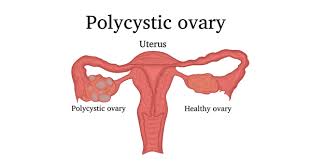
The Centers for Disease Control and Prevention (CDC) report that polycystic ovary syndrome (PCOS) is the leading cause of female infertility, with up to 5 million women in the United States affected by the condition.

Women with PCOS often have insulin resistance, which is a condition wherein the muscles, fat, and liver do not respond properly to the hormone, so the body keeps producing more of it.

Excessive insulin production is a risk factor for type 2 diabetes. But as the authors of the new research report, there are insufficient prospective population-based studies to date that have studied the connection between PCOS and type 2 diabetes.

The new study aims to fill this research gap. Katrine Hass Rubin, of the Institute of Clinical Research at the University of Southern Denmark in Odense, is the first study author, and the corresponding author is Dorte Glintborg, Ph.D., of the Department of Endocrinology at the Odense University Hospital.

Young women with PCOS at risk

Rubin and colleagues examined data from the Danish National Patient Register as well as patient records from the Odense University Hospital. In total, the study looked at 19,639 premenopausal women who had been diagnosed with PCOS.

The researchers tested the participants’ glucose, testosterone, triglycerides, and cholesterol levels. To compare women with PCOS with healthy controls, for each woman with a PCOS diagnosis, the researchers randomly selected three other age-matched PCOS-free women from the Danish National Patient Register. This equaled 54,680 women in total.

Rubin and team adjusted for other potential risk factors for type 2 diabetes, such as age, body mass index (BMI), the use of oral contraceptives, and the number of times the women had given birth.

As Dr. Glintborg summarizes, “In this study, we found that the risk of developing diabetes is four times greater and that diabetes is diagnosed four years earlier in women with PCOS compared to controls.”

More specifically, women with PCOS received a type 2 diabetes diagnosis at age 31, on average, and those without the syndrome were diagnosed with type 2 diabetes at age 35, on average.

Regarding other type 2 diabetes risk factors, PCOS correlated positively with BMI, insulin, glucose, and triglyceride levels, but correlated inversely with the number of births.

The authors point out that BMI and glucose levels are the most reliable predictors of type 2 diabetes in women with PCOS. Older age, on the other hand, should not be considered a good predictor, given that the women in the current study were diagnosed with diabetes before the age of 40.

Rubin and colleagues also note that further investigations are needed to assess the impact of oral contraceptives and number of births on type 2 diabetes risk in women with PCOS.

Dr. Shweta Kaul Jha is known for Infertility treatment in Indore, she has many years of experience in this field. Dr. Shweta Kaul provides service like IVF, IUI, ICSI, test tube baby, infertility treatment and Embryo Freezing at affordable price. If you are suffering from infertility and are looking for the Best IVF specialist in Indore, then you should visit Care Womens Centre. Book an appointment today call now 8889016663 for more information. 

Request an Appointment / General Inquiry:- https://www.carewomenscentre.com/appointment/request-call-back/

Please go through our social media :

like our page to now more about IVF

Facebook :- https://www.facebook.com/CareWomensCentre/

Please do follow on Instagram

Instagram :-https://www.instagram.com/carewomenscentre/

To More Post:-Fertility treatment for PCOS

Infertility treatment

Many treatments significantly improve the chances of getting pregnant. They include hormone treatments, fertility drugs and surgery. In addition, assisted reproduction uses various medical techniques to fertilise an egg. Infertility can be seen in both man and women. In males it lack the sperm count and sperm mortality and in females it lack in formation of eggs.

Male infertility treatment :-

Male fertility requires that the testicles produce enough healthy sperm, and that the sperm is ejaculated effectively into the vagina and travels to the egg. Various tests are done to determine the following :

  • Semen analysis. Your doctor may ask for one or more semen specimens. That semen is kept In clean Container for further tests. In some cases, urine may be tested for the presence of sperm.
  • Hormone testing. Male have sex hormone that is testosterone . The level of testosterone can be check in male by blood test.
  • Genetic testing. Some time low sperm count or sperm mortality can be a genetic problem. Genetic testing may be done to determine whether there’s a genetic defect causing infertility.
  • Testicular biopsy. In select cases, a testicular biopsy may be performed to identify abnormalities contributing to infertility or to retrieve sperm for assisted reproductive techniques.

In some cases more surgery or treatment can be perform to check sperm rate, sperm count, sperm mortality and male sex hormone as well as level of other hormone in body.

Female infertility treatment :-

Fertility for women relies on the ovaries releasing healthy eggs. The reproductive tract must allow an egg to pass into the fallopian tubes and join with the sperm for fertilization.

  • Ovulation testing. A blood test measures hormone levels to determine whether you’re ovulating.
  • Ovarian reserve testing. This testing helps determine the quantity of the eggs available for ovulation. This approach often begins with hormone testing early in the menstrual cycle.
  • Other hormone testing. Other hormone tests check levels of ovulatory hormones, as well as pituitary hormones that control reproductive processes.

In some cases, your doctor may recommended other tests to check quality of egg and number of egg produce in a body.

Care Womens Centre is one of the Best centre for IVF in Indore. We provide all infertility treatment in Care Womens Centre at very low cost. If are you suffering from infertility and searching the best Fertility centre in Indore, so contact Care Womens Centre Indore.Book an appointment today call now 8889016663 and visit https://www.carewomenscentre.com/ for more information. 

Request an Appointment / General Inquiry:- https://www.carewomenscentre.com/appointment/request-call-back/

Please go through our social media :

like our page to now more about IVF

Facebook :-  https://www.facebook.com/CareWomensCentre/

Please do follow on Instagram

Instagram :- https://www.instagram.com/carewomenscentre/

To More Post:- Fertility treatment for PCOS